
Reviewed · OLD TOWN & HISTORY TOURS
Split: Local History and Culture 90-Minute Walking Tour
Split’s old town is not a museum behind glass. It is a living city built into the remains of Diocletian’s 1,700-year-old palace, where Roman columns, medieval homes, cafés, shops, and laundry share the same narrow lanes. This 90-minute walk gives you the story behind that remarkable mix, with local guide Mijo bringing the history down to street level.
I like two things right away: the small-group feel and the useful local advice. Mijo is often praised for his humor, clear storytelling, photo help, and restaurant recommendations. The main consideration is the short running time. Ninety minutes is enough for a strong introduction, but not enough for a slow look at every corner.
In This Review
- Key points at a glance
- Why Diocletian’s Palace makes this walk special
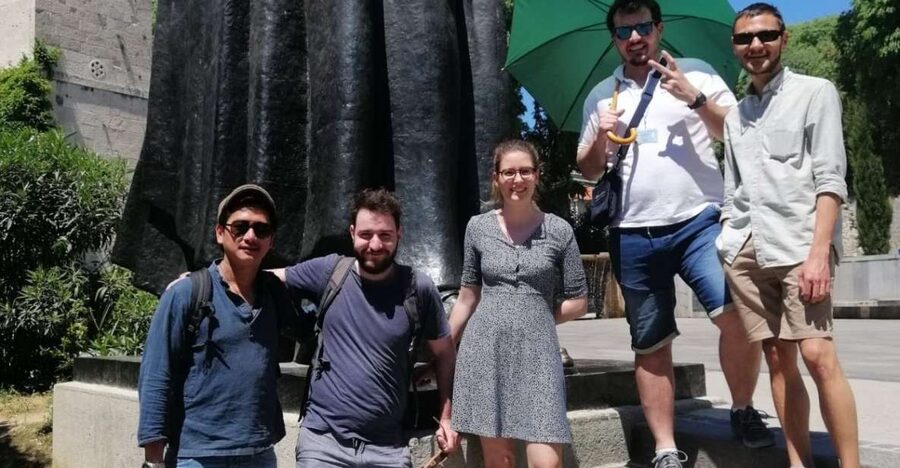
- Meeting Gregory of Nin at Strossmayer Park
- Walking through 1,700 years of city life
- A guide who mixes facts with practical help
- What the 90-minute route can and cannot do
- Game of Thrones connections without losing the real history
- The best time to book your walk
- What the price means at $17
- Who will enjoy this Split walking tour?
- A few practical ways to make it better
- Should you book the Split local history tour?
- FAQ
- How long is the Split local history and culture tour?
- What language is the tour conducted in?
- Where is the meeting point?
- What are the main sights covered?
- Is a professional guide included?
- Is hotel pickup included?
- Are food and drinks included?
- What should I bring?
- Can I cancel the booking?
Key points at a glance
- Start beside Strossmayer Fountain: Meet in Đardin, just above the Golden Gate and near the statue of Gregory of Nin.
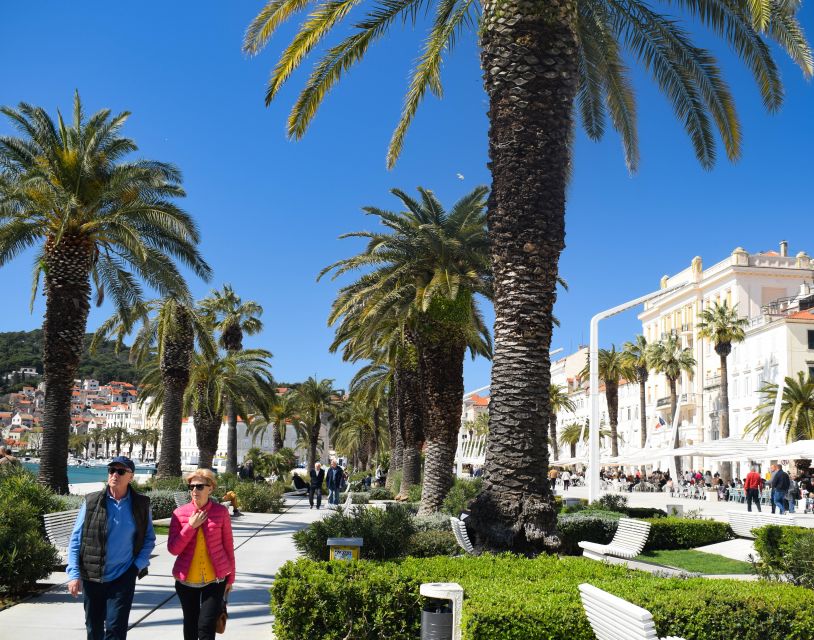
- Walk through a living Roman palace: Ancient ruins sit beside everyday Split life, making the old town more than a collection of monuments.
- Hear the story from a local guide: Mijo explains both ancient history and present-day Croatian culture in English.
- Keep the group personal: The tour is designed for a small group, with past groups reported at under 10 people and sometimes only two or five.
- Get practical advice for the rest of your stay: Expect suggestions for restaurants, cafés, gelato, bars, photo spots, currency exchange, and money-saving options.
- Choose your time carefully: An early start can mean cooler streets and fewer people, while midday brings more heat and crowds.
Why Diocletian’s Palace makes this walk special
The central idea of this tour is easy to miss if you explore Split alone: Diocletian’s Palace is not just one building. It is the core of the old city, and its Roman structure has been reused for centuries.
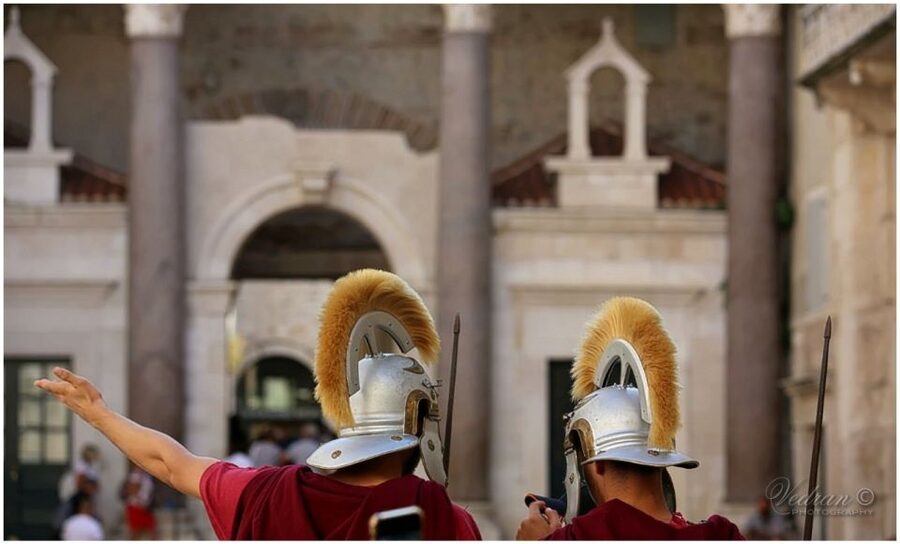
The Roman emperor Diocletian chose this Adriatic setting for his retirement palace. What remains is far larger and more complicated than the word palace suggests. You move through entrances, lanes, courtyards, stone walls, and later buildings that grew around the original plan.
That layered setting gives a local guide plenty to explain. A column may belong to Roman times, while the building attached to it belongs to a later period. A narrow alley may follow an old palace route, yet now lead to a café or a small shop. The value of the tour is not only seeing old stones. It is learning how Split kept adapting them.
You also get the UNESCO context. The old center is protected because of this unusual blend of Roman planning and later city life. A guide helps you see why the whole area matters, rather than treating each stop as an isolated photo backdrop.
More old town history walks in Split:
- Split: Old Town and Diocletian Palace Walking Tour
★ 4.9 · 4,727 reviews - Walking Tour of Split with a ‘Magister’ of History
★ 5.0 · 1,122 reviews - Split Walking Tour with Professor of History
★ 5.0 · 926 reviews
Meeting Gregory of Nin at Strossmayer Park
The meeting point is Strossmayer Fountain in Strossmayer Park, also called Đardin. It is just above the Golden Gate.
The easiest landmark is the huge statue of Gregory of Nin. When you are near the Golden Gate, look for the statue first, then walk up toward the park and fountain. The directions are fairly clear, but give yourself a few minutes because Split’s old center has a maze of passages and open spaces.
This is a practical starting point. You meet outside the palace area, close to one of its major entrances, so the tour can move quickly into the old town. It also gives you a chance to identify the Golden Gate before the walk begins.
Ask your guide to confirm the route and the best place to return later. Split’s center is compact, but the lanes can feel confusing on a first visit. A short orientation at the start can save you time during the rest of your stay.
Walking through 1,700 years of city life
Once inside the old center, expect a mix of major sights and smaller details. The tour focuses on the top highlights of the inner city, with the Roman palace as the main thread.
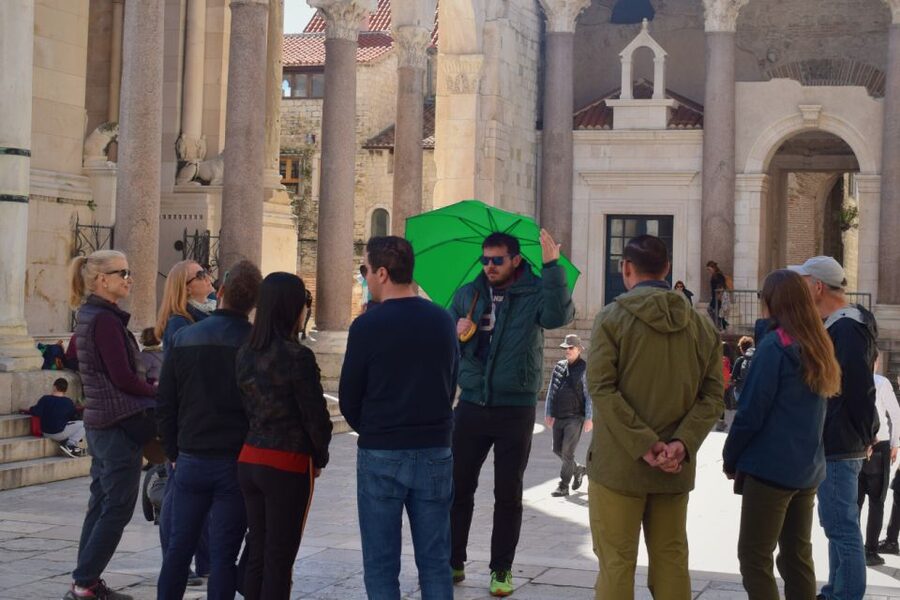
Mijo’s approach, according to the supplied tour details, is informal and interactive. He uses stories, humor, and questions rather than giving you a dry list of dates. That matters in a place where the history can otherwise feel like a jumble of emperors, invasions, rulers, and rebuilding.
The walk is also described as a meeting with local culture. You hear about Croatian life from someone who lives in Split, not only about the emperor who founded its most famous monument. That can include how locals use the old center, where people meet friends, and which places are aimed at residents rather than visitors.
The route is still a walking tour, so you should expect to remain on your feet for the full 90 minutes. Comfortable clothing and sensible shoes are the right choice. Bring water, sunglasses, and a hat, especially in the warmer months.
A guide who mixes facts with practical help
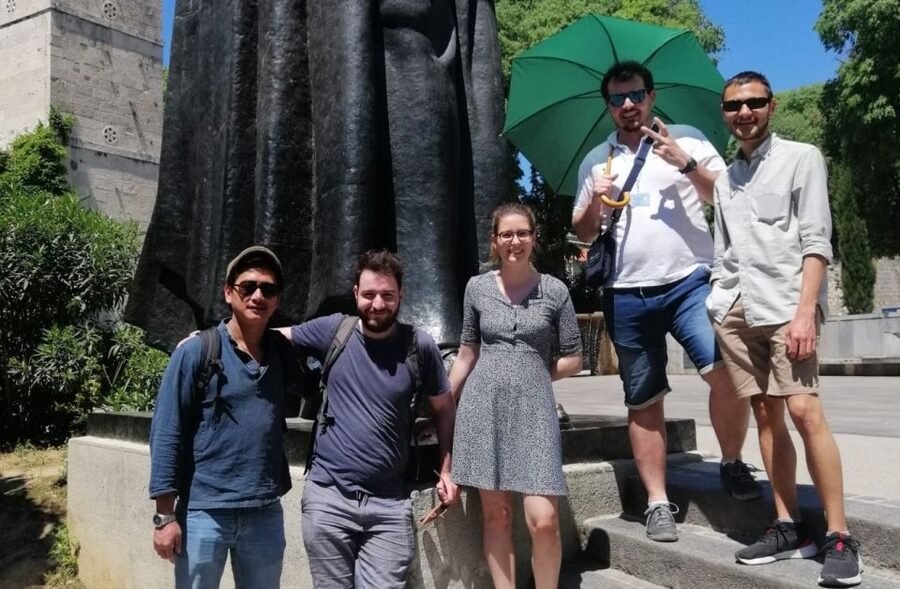
The strongest part of this experience is the guide’s style. Mijo is repeatedly described as friendly, funny, and able to make complicated history easy to follow. He is also praised for answering questions and adjusting the conversation to the group.
That personal approach is easier to enjoy when the group is small. A few past groups had only two people, while others had around five or six. One description places the maximum at 10, though group size can depend on the date and bookings. A smaller group lets you ask about food, local customs, or places you noticed during the walk without holding up a large crowd.
Mijo also appears to go beyond the formal route. The tour includes recommendations and tips, and several specific examples are useful:
- Restaurants that offer good food without unnecessary expense
- Cafés and coffee spots
- Gelato suggestions
- Bars and places where locals spend time
- Photo locations
- Currency exchange advice
- Money-saving tips and, in some cases, discount information
The follow-up advice is a real bonus. Several people received a written list after the tour, which is handy because you will not remember every restaurant name while walking. If you care about food, coffee, or evening plans, this can make the tour more valuable than a sightseeing talk alone.
More walking tours in Split:
- Walking Tour of Split and Diocletian’s Palace
★ 5.0 · 2,588 reviews - Krka Waterfalls tour with Trogir Walking tour and Krka panoramic boat cruise
★ 5.0 · 1,659 reviews - Split & Diocletian’s Palace Walking Tour
★ 5.0 · 1,125 reviews - Split: Diocletian Palace & Old Town Guided Walking Tour
★ 4.7 · 882 reviews
What the 90-minute route can and cannot do
Ninety minutes is a sensible length for a first look at Split. It fits well on arrival day, before lunch, or before a ferry or other planned activity. You get an overview without giving up half a day.
The tradeoff is pace. The tour promises the main inner-city highlights, not a full archaeological study of every palace room. If you want extended time at each ruin, detailed art history, or a long visit inside a single monument, you will need to explore on your own afterward.
The short format works best when you treat it as an orientation. Let the guide show you the structure of the old town, explain the important sites, and point out places worth revisiting. Then return later for photographs, a meal, or a slower look at the areas that caught your interest.
This is also why booking it near the beginning of your stay makes sense. One participant called it a good first-day activity because it helps you understand the maze of streets. You can then use the guide’s suggestions for the rest of your visit instead of guessing where to eat or which cafés to try.
Game of Thrones connections without losing the real history
Game of Thrones locations are one of the advertised highlights. The show gives some parts of Split extra fame, but the Roman and Croatian stories remain the main attraction.
The useful approach is to treat the television references as an extra layer. You can recognize filming locations, take a few photos, and then place them back into the real history of the city. Split is more interesting when you see both sides: the screen version and the much longer story of the palace and its residents.
If you are visiting with children or a teenager who knows the show, this connection can add energy to the walk. History becomes easier to remember when it links to something familiar. If you are not interested in Game of Thrones, it should not dominate the experience, since the tour also covers Roman remains, the UNESCO setting, local culture, and practical city advice.
The best time to book your walk
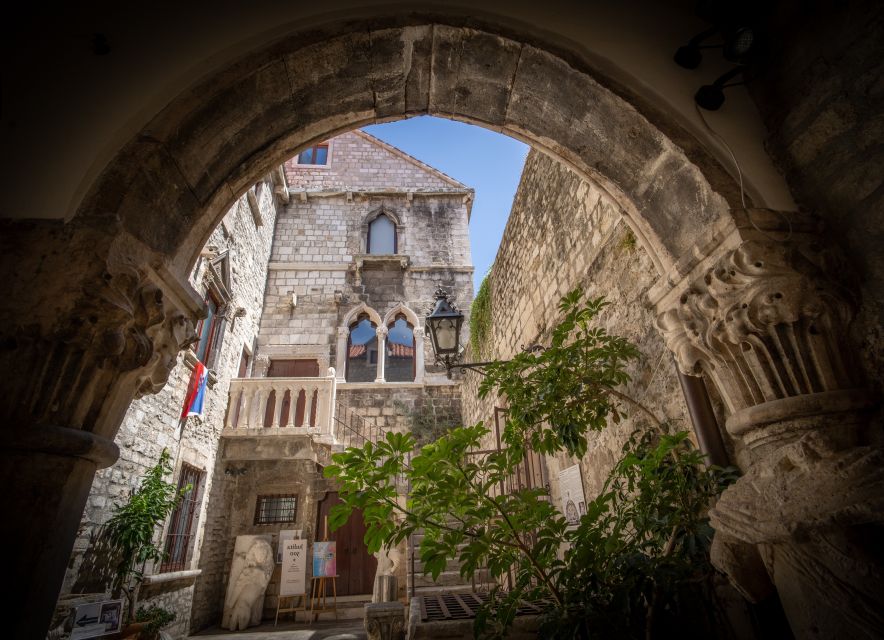
Timing affects this tour more than the modest price suggests. Early morning is the strongest choice if you dislike heat and crowds. One past participant specifically recommended the 8 a.m. start because the streets were calmer and later became much more crowded.
A morning walk also gives you a clean introduction to the city before you spend the day wandering on your own. You can collect restaurant and coffee tips early, then use them immediately.
Later departures may work better for your schedule, but prepare for more people in the narrow old-town streets. In summer, bring water, sunglasses, and a hat. The route is outdoors, and shade may not always be available. One particularly considerate detail in the feedback was Mijo choosing a route with shade for a midday group.
Check the available start times before booking. The exact options can change by date, and the activity is listed in English only.
What the price means at $17
At $17 per person, this is a low-cost way to get a structured introduction to central Split. You are paying for a licensed professional guide, a 90-minute walking route, historical explanation, local cultural context, and recommendations that can help shape the rest of your stay.
The value improves if you use the advice. A good restaurant suggestion, a better coffee stop, or a useful money-saving tip can make a small difference to your daily budget. The written follow-up, when provided, also gives you something practical to keep.
The price does not include hotel pickup, drop-off, food, or drinks. That is not a serious weakness for this particular activity because the meeting point is in the center and the tour is short. Still, you should plan your own way to Strossmayer Park and avoid expecting a tasting element. This is a history and culture walk, not a food tour.
You should also check the cancellation terms before paying. Free cancellation is available up to 24 hours in advance for a full refund, and you can reserve now and pay later. Those terms help if your ferry, weather plans, or arrival time are uncertain.
Who will enjoy this Split walking tour?
I would choose this tour for a first visit to Split, especially if you want context before exploring alone. It suits couples, families, solo visitors, and small groups who prefer conversation over a large crowd.
It is a good fit for history fans because Diocletian’s Palace provides a clear subject, but you do not need to be an ancient-history expert. Mijo’s storytelling style is described as accessible, and one family particularly enjoyed the experience with a nine-year-old who loved history.
You will also like it if local advice matters as much as monuments. The restaurant, coffee, gelato, bar, photo, and exchange tips make the experience useful beyond the 90 minutes.
It may be less suitable if you want a quiet, self-guided walk with no set route, or if you need a tour in a language other than English. It is also not the right choice for anyone expecting included food, drinks, or hotel transport.
A few practical ways to make it better
Arrive early enough to find the fountain without rushing. Use the Golden Gate and Gregory of Nin statue as your main landmarks, then look for the fountain in the middle of Đardin.
Wear light, comfortable clothes and shoes that handle uneven old-town surfaces. Keep water close, and use sunglasses and a hat in strong sun.
If you can choose, take the earliest available start. You will likely find the streets easier to navigate and more comfortable before the day becomes hotter and busier.
Bring a short list of questions. Ask about places to eat, local coffee habits, photo locations, or how to spend the rest of your time in Split. The small-group format gives you a better chance to have that exchange.
Afterward, save the guide’s recommendations. A written list is helpful, but you still need to check opening times and current prices yourself.
Should you book the Split local history tour?
Book it if you want a friendly, efficient introduction to Split with a strong local voice. The best reasons are the small groups, Mijo’s story-based approach, and the practical advice that continues to help after the walk ends.
At $17, it offers good value for a 90-minute city orientation, particularly on your first or second day. Choose an early departure if you want quieter streets and cooler conditions.
Skip it only if you need another language, want a food-focused experience, or prefer spending your time inside individual monuments at a slower pace. For most first-time visitors who want to understand why Split feels like a city built inside an ancient palace, this is a sensible booking.
FAQ
How long is the Split local history and culture tour?
The walking tour lasts 90 minutes.
What language is the tour conducted in?
The tour is conducted in English with a live guide.
Where is the meeting point?
Meet at Strossmayer Fountain inside Strossmayer Park, also called Đardin. The park is just above the Golden Gate, near the large statue of Gregory of Nin.
What are the main sights covered?
The tour focuses on Diocletian’s Palace, the UNESCO World Heritage old town, top highlights of Split’s inner city, and Game of Thrones locations.
Is a professional guide included?
Yes. The activity includes a licensed professional guide.
Is hotel pickup included?
No. Hotel pickup and drop-off are not included.
Are food and drinks included?
No. Food and drinks are not included in the tour price.
What should I bring?
Bring sunglasses, a hat, water, and comfortable clothes.
Can I cancel the booking?
Yes. You can cancel up to 24 hours in advance for a full refund. The activity also allows you to reserve now and pay later.
Just added around Split
- Kayaking & Zipline Šibenik – Čikola Canyon★ 5.0 · 3 reviews
- Krka National Park & Zipline Šibenik – Čikola Canyon★ 5.0 · 3 reviews
- From Split: Krka National Park & Waterfalls Private Day Trip★ 5.0 · 3 reviews
- Split: Small-Group Half Day Sailing Trip★ 5.0 · 3 reviews
- Rafting River Cetina from Makarska Riviera including transfer★ 5.0 · 3 reviews
- Split Bike and Wine Experience★ 5.0 · 3 reviews
- Split and Salona Cultural Heritage Day Tour from Trogir★ 4.0 · 3 reviews
- Private transfer from Split to Dubrovnik with 2h sightseeing stop in Ston★ 5.0 · 3 reviews
Old Town & History Tours, compared.


Walking Tour of Split with a ‘Magister’ of History
Read our review →

Diocletian Palace & Old Town Guided Walking Tour
Read our review →

Diocletian’s Palace and Old Town SMALL GROUP Walking Tour
Read our review →

Split History and Gastro Small-Group Tour with Food and Drinks
Read our review →Browse the lists this tour appears in