
Reviewed · KLIS FORTRESS TOURS
Olive museum Klis with educational olive oil tasting
The most useful part of this visit is the olive oil education. You do not simply taste a few samples. You learn how to recognize premium extra virgin olive oil, then put those lessons to work with several oils in the tasting room. That makes this a practical stop for anyone who wants to understand one of Dalmatia’s signature foods.
I like the mix of working production areas and cultural displays, especially the Olive Museum and the distillery where essential oils are extracted. I also like the easy one-hour-15-minute format, which leaves room in your day for Klis or Split. The main consideration is timing: the tour starts at 12:00 p.m., and lunch is not included, though you can book a meal at the traditional tavern afterward.
In This Review
- Key points to know before you book
- Why Stella Croatica makes a useful stop near Split
- Inside the Olive Museum
- Learning to taste extra virgin olive oil
- From the distillery to the botanical gardens
- Dalmatian specialties and natural cosmetics
- The people who shape the experience
- How to fit the noon start into your day
- Who will get the most from this visit
- Value, group size, and booking flexibility
- Should you book the Stella Croatica experience?
- FAQ
- Where does the Stella Croatica olive museum tour start?
- What time does the experience begin?
- How long does the tour last?
- What is included in the ticket?
- Is lunch included?
- What will I see during the visit?
- Will I taste different olive oils?
- How large is the group?
- Can I cancel for a full refund?
Key points to know before you book
- The Olive Museum is the heart of the visit: You get context about olive growing, oil production, and local traditions rather than only a sales-style tasting.
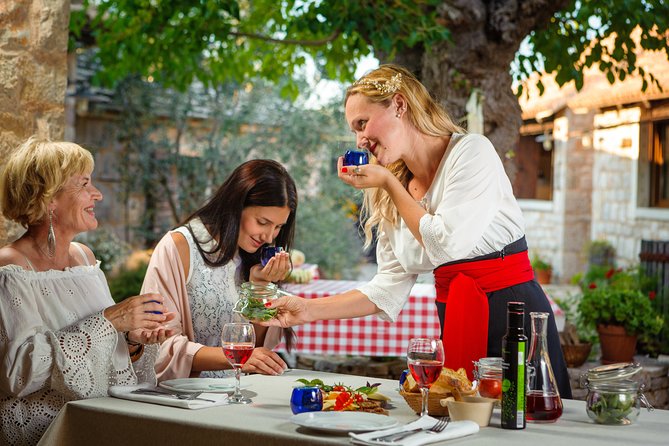
- The tasting is educational: You sample different olive oils while learning what separates premium extra virgin oil from lesser products.
- The estate covers more than olives: Your walk includes botanical gardens, an essential-oil distillery, artisan foods, and natural cosmetics.
- The final tasting is broad: Expect regional specialties alongside olive oils, with natural cosmetics available to test in the Concept store.
- The group is capped at 20 people: That keeps the guided visit fairly small, though the exact feel depends on the group that day.
- Lunch requires an extra plan: A traditional tavern meal is available after the tour, but it is not part of the $17.98 ticket.
Why Stella Croatica makes a useful stop near Split
Stella Croatica is designed as a one-stop introduction to Dalmatian food, craft production, and household traditions. The family-run estate makes artisan food, health, and beauty products, so the visit reaches beyond the usual olive oil shop.
That range is the reason I would consider this tour even if you are not a serious food expert. You can see where products are made, learn how local plants are used, walk through the gardens, and sample finished goods in one compact visit. It gives you several ways into Dalmatian culture without asking you to commit half a day.
The setting is in Mihovilovići, Klis, with the meeting point at the estate itself. The tour begins at noon and returns to the same place. Since it is near public transportation, you have a practical option beyond arranging a private car, though the supplied information does not specify routes or travel times.
At $17.98 per person, the price is reasonable for a guided visit that includes admission, the museum, the gardens, product tastings, and the educational olive oil session. You are paying for more than a sample flight. The value comes from having staff explain what you are tasting and show how several kinds of products are made.
More Klis Fortress visits:
- Split: Klis Sunset Sightseeing Bus Tour
★ 4.4 · 494 reviews - Split: Klis Fortress GOT and Olive Museum Entry Tickets
★ 4.6 · 283 reviews - Split: Historical Tour of Salona, Klis Fortress and Trogir
★ 4.1 · 108 reviews
Inside the Olive Museum
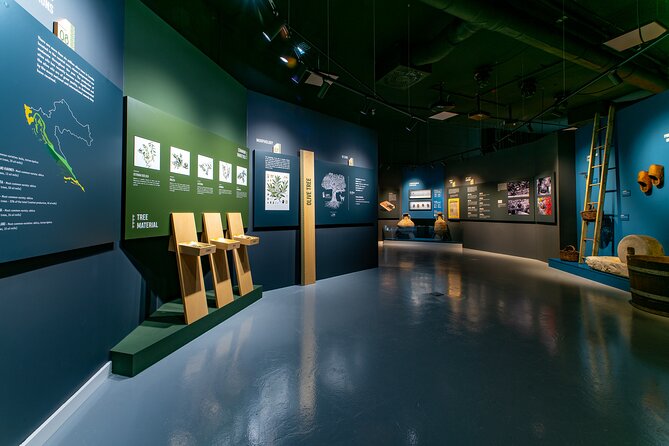
The Olive Museum gives the tour its strongest sense of place. Olives are not just an ingredient in Dalmatia. They are tied to farming, meals, family customs, and the local economy. A museum visit helps you see the oil bottle on a restaurant table as part of a larger tradition.
You will walk through the museum with a guide and learn about olive oil production before tasting the results. The supplied details do not list the museum displays or original equipment, so I would not promise a specific collection. What is clear is that the museum forms part of a guided look behind the scenes at how olive products are grown and produced.
This section should suit you if you like food with a story attached. It is also useful for first-time olive oil buyers. Instead of relying only on a label or an attractive bottle, you get a basic framework for judging quality.
The tour is short, so expect an introduction rather than a full agricultural course. If you want a long technical lesson about farming, pressing temperatures, or storage, this may feel light. For a holiday visit, though, the pace is likely to be more approachable.
Learning to taste extra virgin olive oil
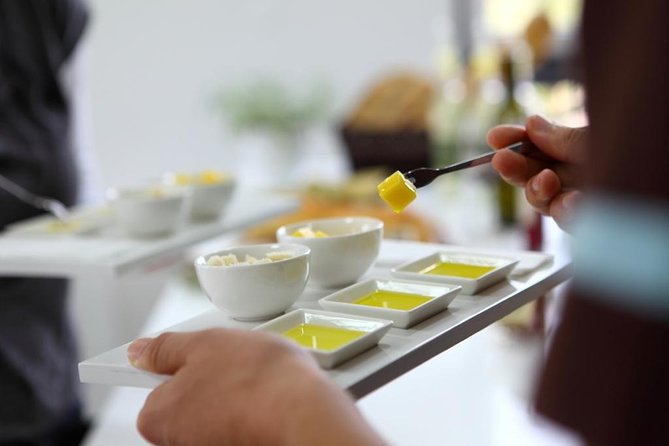
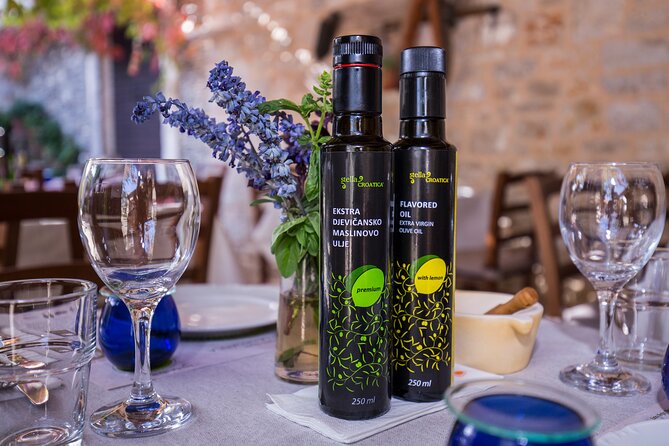
The educational tasting is the part I would value most. You sample different olive oils and learn how to recognize premium extra virgin oil. That means the tasting has a clear purpose: it trains your palate instead of treating tasting as a quick free sample.
The guide can explain the differences you should notice among oils, while you compare them side by side. The provided information does not spell out the exact tasting method or the number of oils, so you should think of this as a guided comparison rather than a formal certification class.
You will also gain a better sense of what makes olive oil worth buying. Afterward, you may pay more attention to flavor, freshness, and quality claims when shopping or ordering food. Those are small lessons, but they travel well.
I like this part because it connects directly to everyday eating. Many food tours pile on samples without giving you a way to judge them. Here, the tasting is linked to a skill you can use again in Croatia or at home.
From the distillery to the botanical gardens
The estate visit also includes the distillery, where essential oils are extracted. This adds a different side of production to the day. Olive oil comes from food culture, while essential oils connect to plants, scent, personal care, and traditional uses.
You will see how the estate handles this process, though the available details do not specify which plants are distilled or what equipment you will see. The value is in seeing that Stella Croatica produces more than edible goods. It is a small look at the wider range of products that can come from local plants.
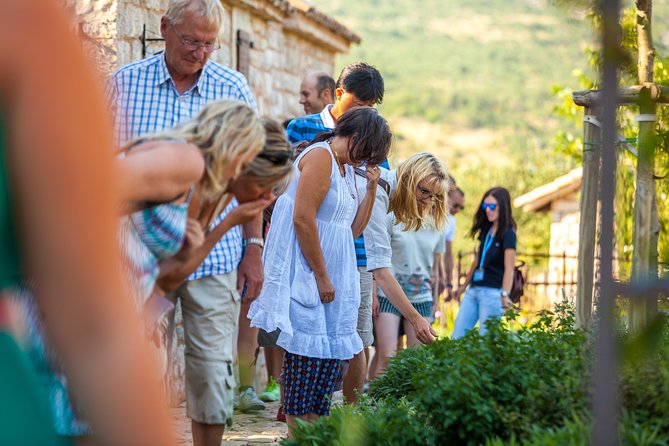
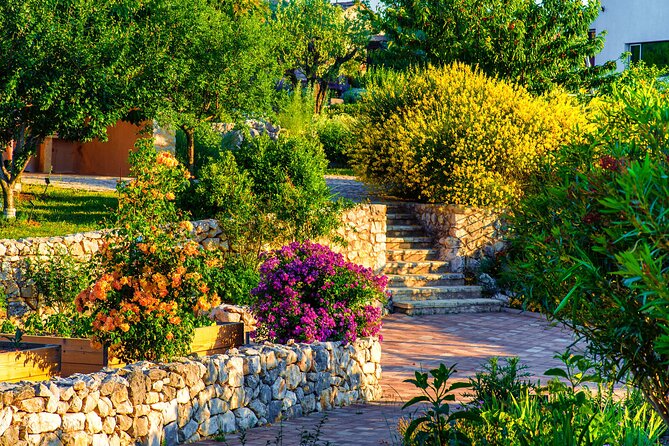
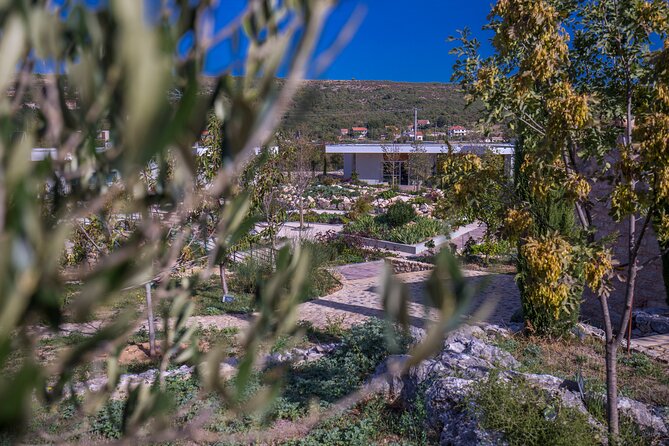
The botanical gardens give you a chance to walk outdoors between the indoor stops. They also help put the products in context. Rather than seeing herbs and plants only as ingredients on a label, you can see them growing on the estate.
Do not expect a long garden tour based on the information available. The gardens are one part of a 75-minute guided experience, not a separate botanical excursion. Still, the change of pace should be welcome after the museum and tasting.
More olive oil tastings around Split:
- Split: Krka Waterfalls With Boat Cruise, Wine and Olive Oil
★ 4.3 · 1,507 reviews - Visit Klis fortress GOT & Olive museum Klis
★ 4.5 · 77 reviews - Split: Olive museum Klis with Olive Oil Tasting
★ 4.9 · 51 reviews - Krka Waterfalls Tour with Wine and Olive Oil Tasting
★ 4.5 · 48 reviews
Dalmatian specialties and natural cosmetics
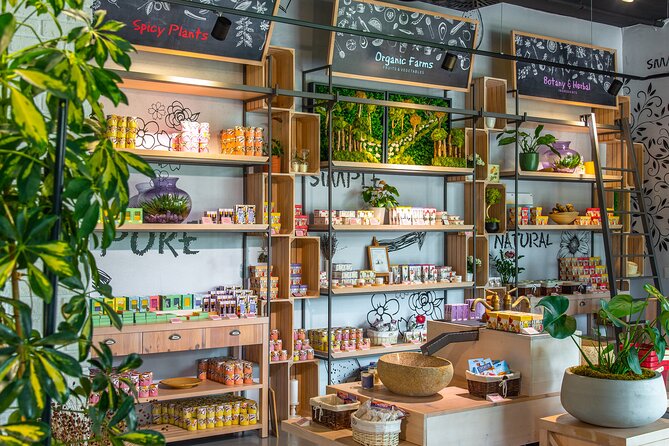
The final part brings you to traditional gastro delicacies and the Concept store. You can sample regional foods and test natural cosmetics. This is where the estate’s food, health, and beauty sides come together.
The food tasting gives you a chance to try more than olive oil. The exact delicacies are not listed, so I would not arrive expecting a particular cheese, preserve, pastry, or cured item. Think of the selection as a sampling of traditional Dalmatian products made or presented by Stella Croatica.
The cosmetics portion is hands-on in a simple way. You can test natural products rather than only looking at packaged goods. That matters if you are considering a purchase, since scent and texture are personal choices.
This final stop can also make the tour feel commercial. The Concept store is part of the experience, and you may see products you want to buy. That is not necessarily a flaw, but you should know the visit includes a retail element. The tasting and production explanations give it more substance than a basic shop stop, yet the sales setting remains part of the design.
The people who shape the experience
The staff names connected with this visit include Ines, Dragica, and Fani. Ines is identified as a guide, Dragica as a hostess, and Fani as part of the tasting team. Their roles suggest that you may meet different people during the walk, welcome, and tasting rather than having one person handle every step.
A standout account of the visit singled out these three staff members for being fun, engaging, and well informed. That matches the kind of experience this format needs. Olive oil can become dry if it is presented as a list of facts, while food and cosmetics need someone willing to explain and answer questions.
Because the group limit is 20, you are not signing up for a huge bus-style presentation. Twenty is still large enough for a shared group atmosphere, but it should be manageable for a guided walk and tasting. The exact amount of personal attention will depend on how many people are booked that day.
The visit also benefits from clean, well-kept facilities and attractive grounds. Those details matter more than they may sound. You are moving between a museum, gardens, production spaces, and tasting areas, so a tidy estate makes the short tour more comfortable.
How to fit the noon start into your day
The fixed 12:00 p.m. start makes this easy to pair with a morning activity. You could schedule the estate after an early visit elsewhere, then have lunch afterward at the traditional tavern if you reserve it. The tour itself ends back at the meeting point.
The 75-minute duration is a useful middle ground. It is long enough for a proper introduction, tasting, and walk, but short enough to fit into a busy Split-area itinerary. You will not need to give up an entire afternoon for the visit.
Lunch is the one timing detail that needs attention. It is not included in the ticket, and the tour information says you can book lunch in the traditional tavern after finishing. If you want that meal, arrange it as part of your plan rather than assuming it comes with admission.
The meeting point is Mihovilovići, 21231, Klis, Croatia. Check how you will reach the estate before booking, especially if your day depends on public transportation. The experience is near public transportation, but no detailed route information is provided.
A mobile ticket makes entry simple. Confirmation is sent at booking, and all fees and taxes are included. Those details reduce small administrative hassles, but they do not replace checking your route to Klis.
Who will get the most from this visit
I would recommend Stella Croatica to you if you enjoy learning through food. The tasting has more value when you want to understand olive oil, not simply consume it. It also suits anyone looking for a calm cultural stop with a manageable time commitment.
Families and mixed-interest groups may find the format useful. One person can focus on food, another on gardens or cosmetics, and another on the museum. The estate offers several subjects without splitting the group into separate activities.
It is also a good choice for shoppers who prefer local products with some context. You can taste foods and test cosmetics before deciding what, if anything, to buy. The tour does not require you to purchase anything, but the Concept store gives you that option.
I would be more cautious if your main goal is a long olive grove visit or a full meal. The gardens are included, but this is not described as an extended farm walk. Lunch costs extra, and the exact food selection is not specified.
The tour may also feel too brief for someone who wants a highly technical lesson in oil production. Its strength is its broad introduction: museum, gardens, distillery, tasting, regional foods, and cosmetics in 75 minutes.
Value, group size, and booking flexibility
The $17.98 cost is easy to justify if you make use of the whole program. Admission, the guided estate walk, oil tasting, traditional food samples, cosmetics testing, and access to the museum and gardens are included. You are getting several short experiences bundled into one visit.
The price is less compelling if you plan to rush through the tasting or have no interest in food production. In that case, the estate may feel like a quick stop rather than a major attraction. Your best value comes from listening closely during the oil lesson and allowing time for the museum and garden sections.
The maximum group size is 20. That is worth noting for anyone who dislikes large groups. It does not guarantee a private feel, but it places a sensible ceiling on the crowd.
You can cancel for a full refund if you do so at least 24 hours before the start time. Changes or cancellations inside that window are not accepted for a refund. Keep the local cutoff in mind when arranging a day trip or transport.
Should you book the Stella Croatica experience?
Book it if you want a concise, hands-on introduction to Dalmatian olive oil and local artisan products. The best reasons are the educational tasting, the Olive Museum, and the chance to see food, essential oils, gardens, and cosmetics in one family-run estate.
The $17.98 price works well for a 75-minute stop, especially if you plan to add lunch at the traditional tavern afterward. I would choose this over a simple shop visit because the guide-led explanations give the products meaning and help you taste with more purpose.
Skip it if you want a long countryside walk, an included meal, or a highly technical production tour. For everyone else, particularly food-minded visitors with a free midday hour near Klis, Stella Croatica offers a useful taste of Dalmatia without taking over the day.
FAQ
Where does the Stella Croatica olive museum tour start?
The tour starts at Mihovilovići, 21231, Klis, Croatia, at the Stella Croatica estate.
What time does the experience begin?
The stated start time is 12:00 p.m.
How long does the tour last?
The experience lasts approximately 1 hour and 15 minutes.
What is included in the ticket?
The ticket includes admission, all fees and taxes, the guided estate visit, olive oil education and tasting, regional food samples, access to the Olive Museum and botanical gardens, and natural cosmetics testing.
Is lunch included?
No. You can book lunch at the traditional tavern after the tour, but lunch is not included in the ticket price.
What will I see during the visit?
You will visit the Olive Museum, botanical gardens, and essential-oil distillery. You will also see the Concept store and sample artisan products.
Will I taste different olive oils?
Yes. The educational session includes tasting different olive oils and learning how to recognize premium extra virgin olive oil.
How large is the group?
The activity has a maximum of 20 people.
Can I cancel for a full refund?
Yes. You can receive a full refund if you cancel at least 24 hours before the experience start time. Cancellations within 24 hours are not refunded.
More Museums in Split
- Blue Lagoon & Underwater Museum from Split with Lunch & Drinks
★ 4.5 · 1,122 reviews - Split: Game of Thrones Museum Entrance Ticket
★ 3.8 · 385 reviews - SPLIT-PREMIUM Emperor’s Walking Tour for History Lovers + Museum
★ 5.0 · 333 reviews - Trogir: Boat tour to Unique underwater museum
★ 4.5 · 229 reviews
Just added around Split
- Kayaking & Zipline Šibenik – Čikola Canyon★ 5.0 · 3 reviews
- Krka National Park & Zipline Šibenik – Čikola Canyon★ 5.0 · 3 reviews
- Rafting River Cetina from Makarska Riviera including transfer★ 5.0 · 3 reviews
- From Split: Krka National Park & Waterfalls Private Day Trip★ 5.0 · 3 reviews
- Split: Small-Group Half Day Sailing Trip★ 5.0 · 3 reviews
- Split and Salona Cultural Heritage Day Tour from Trogir★ 4.0 · 3 reviews
- Split Bike and Wine Experience★ 5.0 · 3 reviews
- Split: Jewish Heritage & Diocletian’s Palace Walking Tour★ 5.0 · 3 reviews
Klis Fortress Tours, compared.

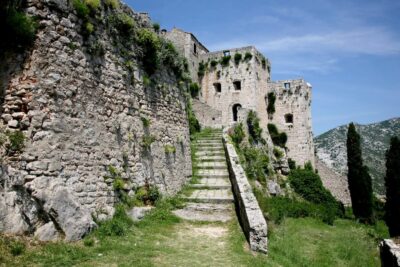
Klis Fortress GOT and Olive Museum Entry Tickets
Read our review →
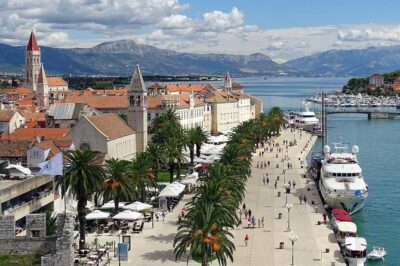
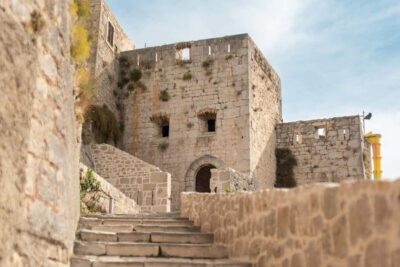
Private tour to Klis Fortress and Vranjača cave
Read our review →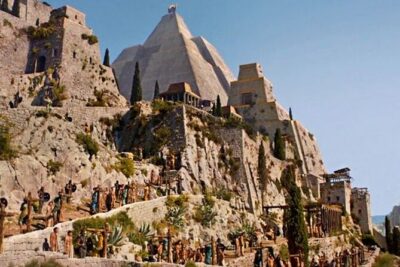
Private Split & Klis Fortress Tour, Olive Museum & Port Pickup
Read our review →
Visit Ancient Salona, Mighty Klis Fortress and Stella Croatica
Read our review →
Browse the lists this tour appears in