
Reviewed · KLIS FORTRESS TOURS
Split: Olive museum Klis with Olive Oil Tasting
The most useful lesson here comes in a small tasting room: not every oil labeled extra virgin deserves your trust. At Stella Croatica, you learn to use your nose and palate, then compare two oils while a guide explains how professional tasters judge quality.
I like the mix of hands-on tasting and traditional craft. I also like the chance to see fig, almond, orange, and lavender products being made, then wander through a botanical collection with about 500 species. The main drawback is that you will not see broad olive groves at the estate itself, and the museum may feel slow if olive oil is not your interest.
In This Review
- Key points at a glance
- Starting at Stella Croatica near Klis
- Seeing traditional products made by hand
- Natural cosmetics and Dalmatian herbs
- A walk through 500 plant species
- Inside the Olive Oil Museum
- Learning to taste extra virgin olive oil
- Shopping, the park, and a possible meal
- Who will enjoy this $18 experience
- How the value compares with the price
- Practical advice before you go
- Should you book Stella Croatica?
- FAQ
- Where does the Stella Croatica olive oil experience begin?
- Where does the activity end?
- How much does the experience cost?
- What is included in the price?
- Are food and drinks included?
- How many olive oils will I taste?
- Is the tour offered in English?
- Can children take part?
- Can I buy products at Stella Croatica?
- Can I cancel for a refund?
Key points at a glance
- A practical olive oil lesson: Learn how to smell and taste oil, then compare two products labeled extra virgin.
- A family estate near Klis: See local sweets, preserves, and other goods made from figs, almonds, oranges, and lavender.
- A museum with European recognition: The Olive Oil Museum was a finalist for the European Museum of the Year Award in 2023.
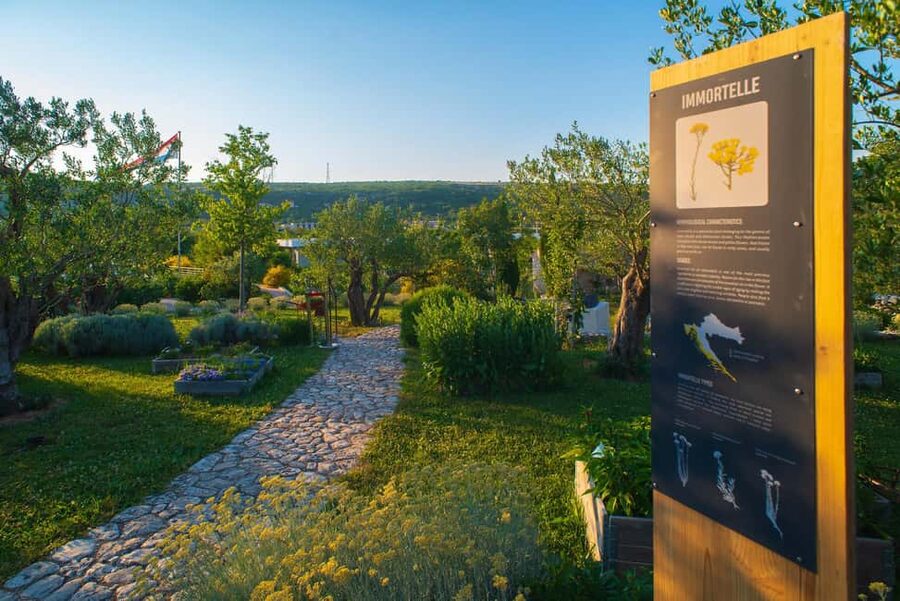
- A 500-species botanical collection: Walk among Dalmatian plants and learn about some of their uses.
- Good value at $18: Entry, guiding, two olive oil tastings, traditional sweets, and natural cosmetic testing are included.
- Time to browse afterward: You can explore the park, shop for products at factory prices, or arrange a traditional meal at the estate.
Starting at Stella Croatica near Klis
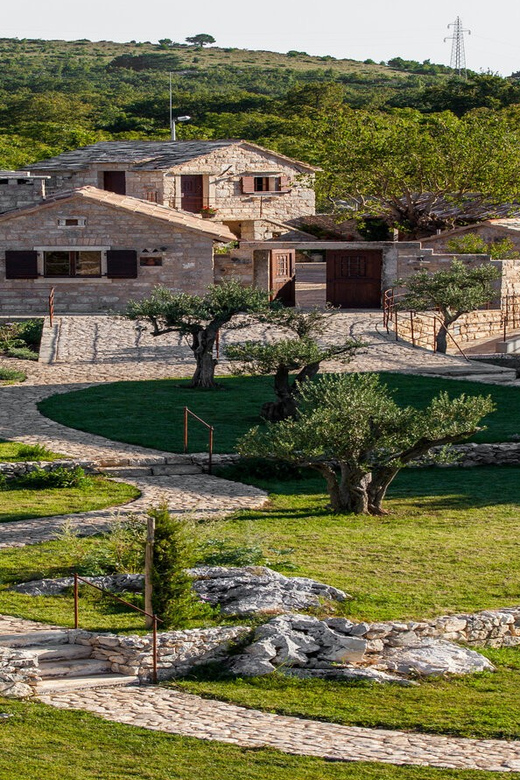
You reach Stella Croatica by following signs from the main road. Enter the main building and wait for your English-speaking host. The activity finishes at the same place, which makes it simple to combine with other sightseeing around Klis.
The meeting instructions are clear, but this is not a guided pickup from Split. You need to make your own way to the estate. That matters when you are comparing this $18 experience with a city tour that includes transportation.
The price is modest for the amount included. You receive entrance to the estate and museum, a guided tour, traditional sweets, natural cosmetic testing, and two olive oil samples. Extra food and drinks cost more, so plan your budget around the included tastings rather than expecting a full meal.
More Klis Fortress visits:
- Split: Klis Sunset Sightseeing Bus Tour
★ 4.4 · 494 reviews - Split: Klis Fortress GOT and Olive Museum Entry Tickets
★ 4.6 · 283 reviews - Split: Historical Tour of Salona, Klis Fortress and Trogir
★ 4.1 · 108 reviews
Seeing traditional products made by hand
The tour begins with a look at the production of traditional Dalmatian goods. Local women make and pack products based on figs, almonds, oranges, and lavender. This part gives the visit a useful local focus: you are not only looking at finished jars and packages in a shop, but seeing the work behind them.
I find this kind of stop more interesting than a standard souvenir display. Figs and almonds are familiar Mediterranean foods, while lavender and citrus show how the region’s plants become items you can eat, use at home, or give as gifts.
You can taste traditional sweets during the visit. The tasting is included, and the concept store allows you to sample handmade products before deciding what to buy. Products are available at factory prices, which can make the shop a practical place to pick up edible gifts or local cosmetics.
The store is still a retail stop, so you should not feel obliged to buy anything. The experience is designed to let you try the products even if you are only curious. That freedom is useful, particularly if you are traveling with children or with someone who enjoys food more than museums.
Natural cosmetics and Dalmatian herbs
Next, the tour explains how essential oils are extracted from typical Dalmatian herbs. You also learn how those oils are used to make natural cosmetics, followed by a chance to test the cosmetics.
This is a short but worthwhile connection between the botanical garden, local plants, and the products in the shop. It shows how a family estate can turn regional ingredients into more than food. If you like soaps, creams, or scented products, this part may be one of the better shopping opportunities in the visit.
Do not expect a full cosmetics workshop. The information provided describes a demonstration and testing session, not a class in which you make your own products. The value is in understanding the process and trying the finished items.
A walk through 500 plant species
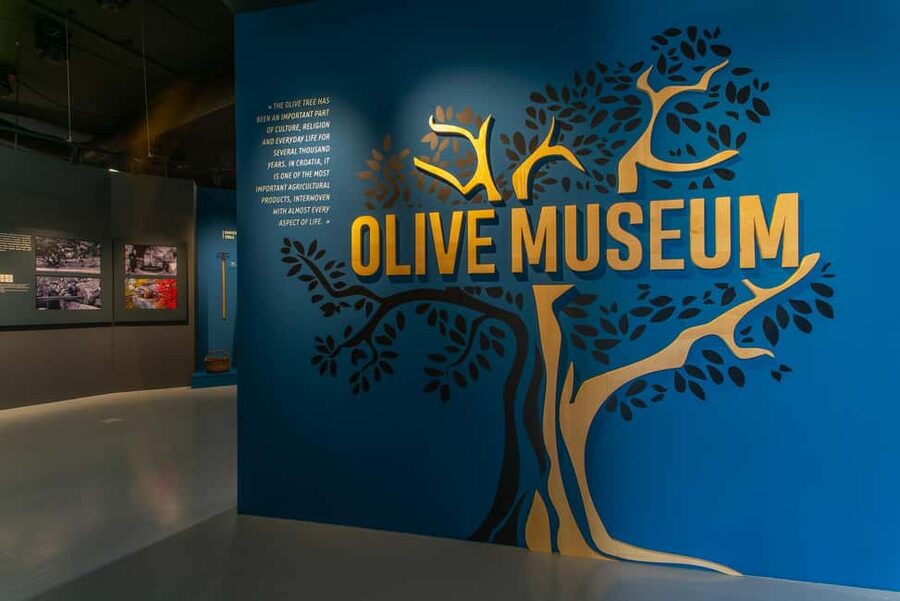
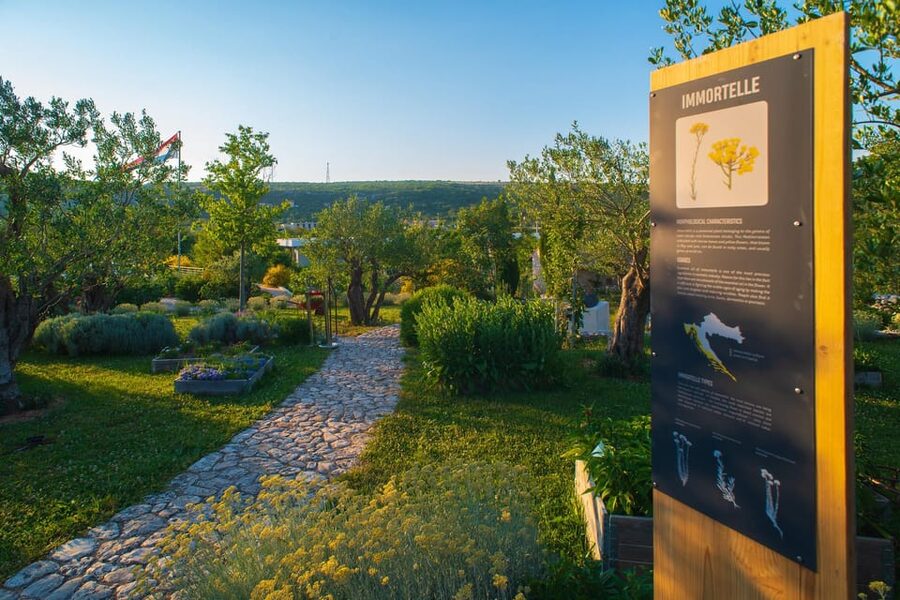
The botanical collection includes around 500 species. Your guide explains what some plants can be used for, so the garden is not simply a decorative walk between indoor stops.
The collection adds welcome breathing space to the tour. After the production rooms and museum displays, you can step outside and look at the plants connected to Dalmatian cooking, scents, and traditional remedies. It also gives children something active to do, especially when paired with the sweets and tasting sessions.
Keep your expectations in check. This is a botanical collection, not a large olive-growing farm. There are no olive fields at the site itself, and the garden is described as pleasant but relatively small. If you want to walk among rows of ancient olive trees, this is not the right experience.
That limitation is worth knowing before you book. The tour teaches you about olive oil, but it does so through displays and tasting rather than a working olive orchard. For many people, that is perfectly fine. For others, the missing olive trees will be the biggest disappointment.
More olive oil tastings around Split:
- Split: Krka Waterfalls With Boat Cruise, Wine and Olive Oil
★ 4.3 · 1,507 reviews - Visit Klis fortress GOT & Olive museum Klis
★ 4.5 · 77 reviews - Olive museum Klis with educational olive oil tasting
★ 4.5 · 50 reviews - Krka Waterfalls Tour with Wine and Olive Oil Tasting
★ 4.5 · 48 reviews
Inside the Olive Oil Museum
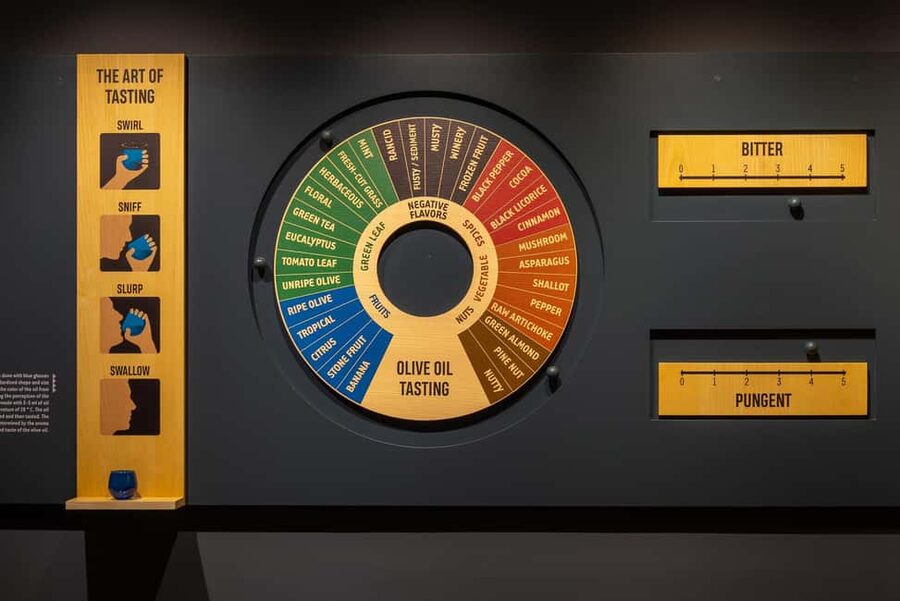
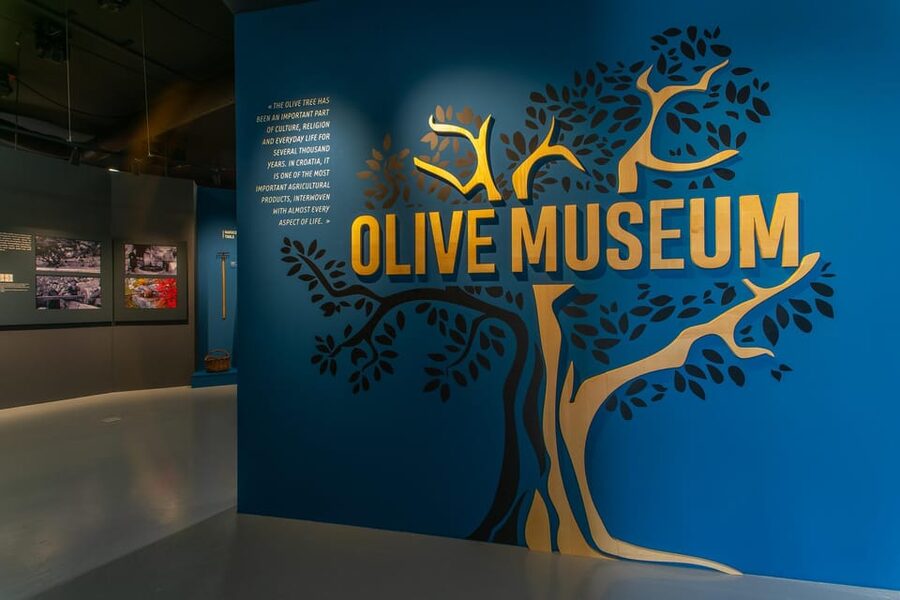
The Olive Oil Museum is the central stop. It presents olive oil as liquid gold, a product with a long place in Croatian food and daily life. The museum was a finalist for the European Museum of the Year Award in 2023, which gives you a sense of its professional ambitions.
The museum helps explain the subject before the tasting begins. You can learn about olive oil production and the role of this staple in Croatia, then use that background in the tasting room. The sequence makes sense: first see and hear how olive oil fits into local culture, then test what you have learned.
The museum will appeal most to people who like clear explanations, displays, and food traditions. Families can manage it too. A nine-year-old child was able to follow the explanations and take part in the tasting workshop, so you do not need to be an olive oil specialist to enjoy the visit.
Still, the museum’s success depends partly on the guide. One part of the experience may feel dull if the presentation is delivered without much energy. The tasting session receives stronger praise for its clear instruction and friendly approach, so I would treat the museum as useful context rather than the only reason to come.
Learning to taste extra virgin olive oil
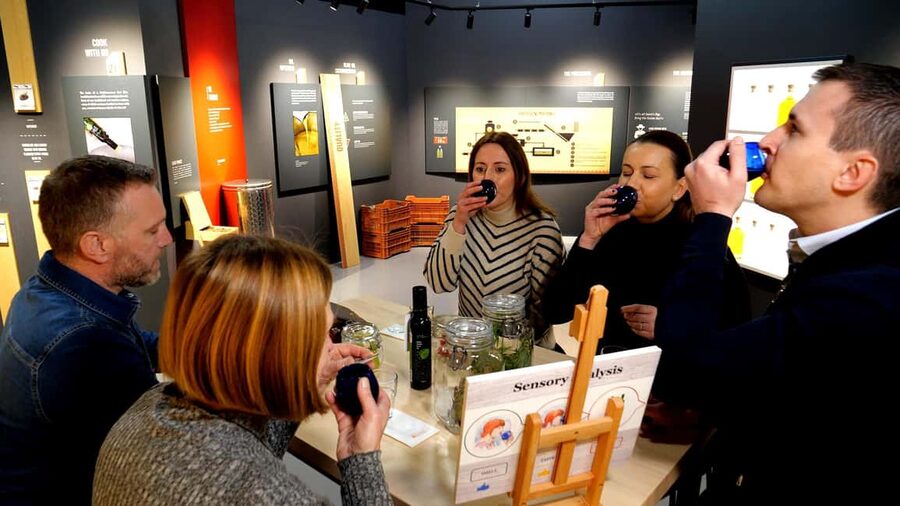
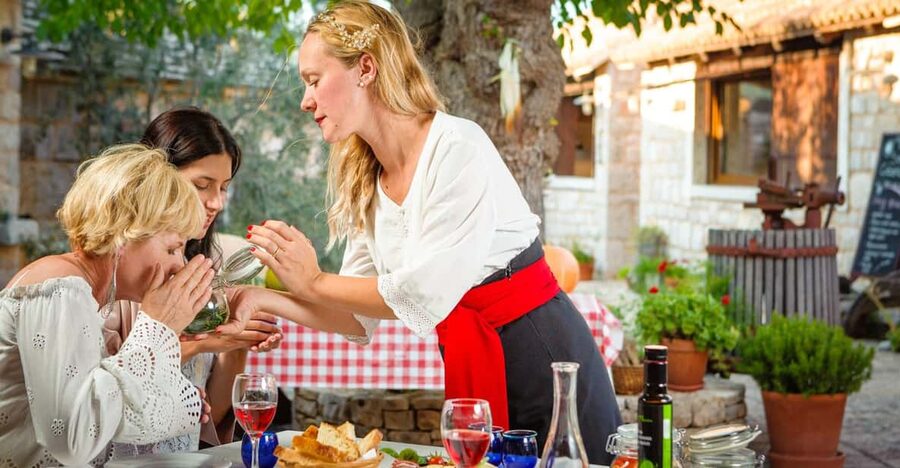
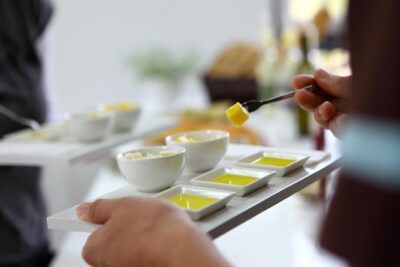
The tasting room is where the visit becomes practical. Instead of simply pouring oil onto bread and declaring it delicious, you learn how to recognize quality. The guide explains the basics of professional tasting, including the role of smell and flavor.
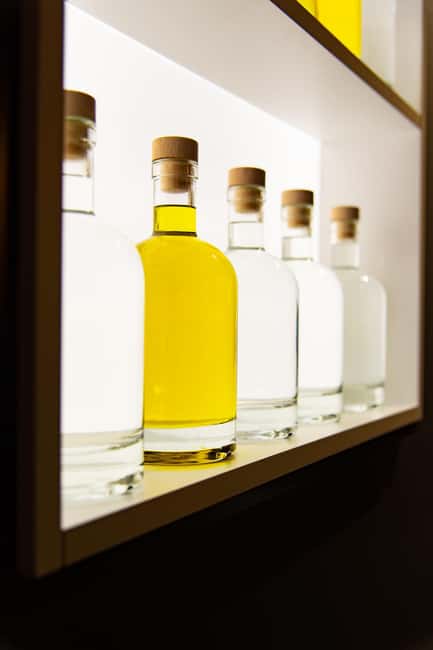
You then taste two different oils, both labeled extra virgin. The comparison is the point. You learn to notice differences and consider whether an oil has the qualities expected from the extra virgin category.
This is a good lesson for anyone who buys olive oil at home. Labels can be confusing, and many people judge oil only by how mild or strong it tastes. Here, you are encouraged to pay attention to the oil itself. You sniff, taste, and compare, much like a sommelier would assess wine.
The tasting is interactive rather than a passive lecture. That makes the information easier to remember. You leave with a simple skill you can use in shops, restaurants, and your own kitchen: take the label seriously, but also learn to identify freshness and faults through your senses.
The experience does not turn you into a certified taster in one sitting. It gives you a useful introduction. You taste only two oils, so anyone hoping for a large flight of samples should choose a specialist tasting elsewhere. At $18, though, the focused format feels fair.
Shopping, the park, and a possible meal
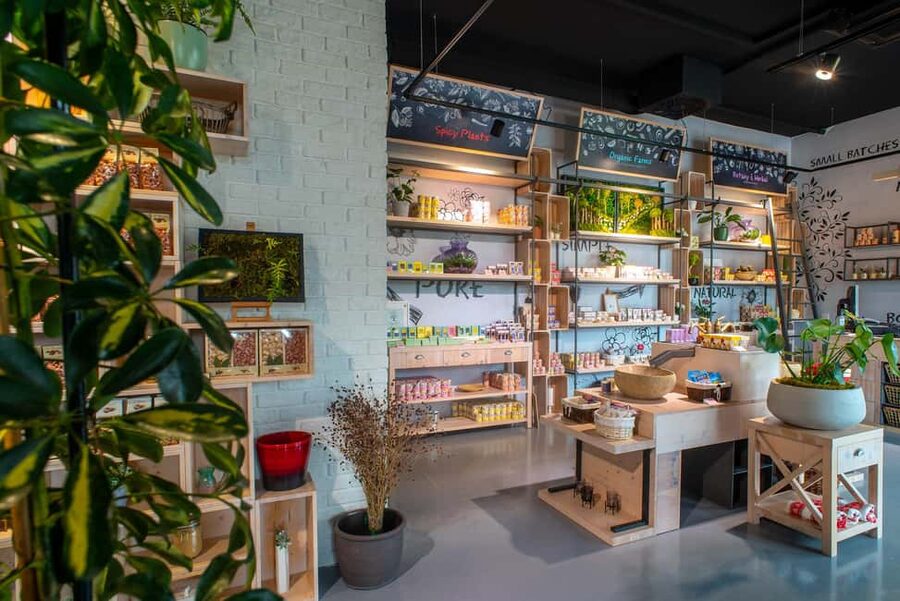
After the guided portion, you have free time to look around. You can revisit the park, browse the concept store, and consider a traditional lunch. Additional food and drinks are not included, so lunch is an optional extra rather than part of the tour price.
The free time is important because the guided program appears fairly compact. You are not pushed straight out after the tasting. You can look at products at your own pace, return to the garden, or stop for food if your schedule allows.
The shop carries handmade products connected to the estate’s work, including foods and natural cosmetics. Factory pricing may offer better value than buying similar gift items in a busy tourist center, though you should still compare prices and buy only what you want.
If you are visiting with children, the relaxed ending helps. They can spend time outside after the museum, while adults browse. If you are on a tight schedule, you can keep moving after the tasting because the activity ends where it began.
Who will enjoy this $18 experience
I would recommend this outing to anyone who wants a short introduction to Croatian food traditions without committing to a full-day excursion. The strongest audience includes:
- Olive oil buyers who want to understand the extra virgin label
- Families looking for an activity with food, plants, and a museum
- Visitors interested in Dalmatian herbs and natural cosmetics
- People who enjoy buying local sweets and edible gifts
- Anyone staying near Klis who wants a structured stop at a family estate
The experience is also a sensible choice if you value learning over grand scenery. You get a guided explanation, several forms of tasting, and time to browse.
I would be more cautious if your main goal is to see olive trees, visit an active olive harvest, or tour a large rural farm. The estate has a botanical collection, but no olive groves are part of the visit. You may find the museum too quiet or the guide’s presentation too dry if you are not especially interested in olive oil.
The English-only format is another point to consider. The tour is offered in English, so you should be comfortable following explanations in that language.
How the value compares with the price
At $18 per person, the experience offers more than a simple museum admission. The price covers the estate, the guided tour, traditional sweets, natural cosmetic testing, and two olive oil tastings.
The strongest value comes from the workshop. A shop tasting often tells you only what a product is supposed to taste like. Here, you learn a method for comparing oil and recognizing quality. That lesson can remain useful long after the visit, especially if you cook with olive oil regularly.
The price is less compelling for someone who wants only a scenic garden walk. The botanical area is attractive but small, and there are no olive fields on site. You are paying for the explanation and tasting, not for a large rural setting.
You can also reserve now and pay later, which keeps your plans flexible. Cancellation is free up to 24 hours before the activity for a full refund. Food and drinks beyond the included tastings are extra.
Practical advice before you go
Follow the signs from the main road and enter the main building before looking for your host. Since the activity begins and ends at the meeting point, allow enough time to find the estate without relying on a city-center meeting place.
Food and drinks are not allowed during the activity. Do not bring a picnic into the tour areas, and remember that video recording is not permitted.
Wear something comfortable for walking between indoor areas and the botanical collection. The tour is not described as a long hike, but you will move through production spaces, the museum, and the garden.
If you want a traditional lunch, leave time for it after the guided program and budget separately. The exact length of the activity is not given, so check the available schedule when booking if you have a close connection or another timed visit.
The experience has earned a 4.9 rating from 51 reviews, with especially strong praise for the clear explanations, the tasting workshop, the attractive facility, and the friendly staff. One less favorable assessment found the museum guide dull and felt the visit could be skipped, which is a useful warning: the tasting is likely to be the highlight, while the museum itself may depend on your interest and the presentation on the day.
Should you book Stella Croatica?
Book it if you want a reasonably priced, hands-on introduction to Croatian olive oil and local products. The tasting workshop is the real reason to come, and the added sweets, cosmetics, garden, and family-estate setting make the $18 fee easy to justify.
Skip it if you are seeking olive groves, dramatic outdoor views, or a full meal included in the price. You will find a small botanical collection rather than an orchard and a museum rather than a working olive farm.
For families, food lovers, and curious shoppers near Klis, this is a useful half-day-style stop, provided you treat it as an educational food experience rather than a major sightseeing monument.
FAQ
Where does the Stella Croatica olive oil experience begin?
Follow the signs from the main road to Stella Croatica, enter the main building, and wait for your host.
Where does the activity end?
The activity ends back at the same meeting point at Stella Croatica.
How much does the experience cost?
The listed price is $18 per person.
What is included in the price?
The price includes entry to Stella Croatica and the Olive Oil Museum, a guided tour, two olive oil tastings, traditional sweets, and natural cosmetic testing.
Are food and drinks included?
Traditional sweets are included. Additional food and drinks are not included.
How many olive oils will I taste?
You will taste two different olive oils, both labeled as extra virgin.
Is the tour offered in English?
Yes. The available tour language is English.
Can children take part?
Children can take part. The experience includes a museum, garden, sweets, and an interactive tasting workshop. A nine-year-old child was able to participate in the full visit.
Can I buy products at Stella Croatica?
Yes. The concept store sells handmade products, with the possibility of purchasing them at factory prices.
Can I cancel for a refund?
Yes. You can cancel up to 24 hours in advance for a full refund.
More Museums in Split
- Blue Lagoon & Underwater Museum from Split with Lunch & Drinks
★ 4.5 · 1,122 reviews - Split: Game of Thrones Museum Entrance Ticket
★ 3.8 · 385 reviews - SPLIT-PREMIUM Emperor’s Walking Tour for History Lovers + Museum
★ 5.0 · 333 reviews - Trogir: Boat tour to Unique underwater museum
★ 4.5 · 229 reviews
Just added around Split
- Kayaking & Zipline Šibenik – Čikola Canyon★ 5.0 · 3 reviews
- Krka National Park & Zipline Šibenik – Čikola Canyon★ 5.0 · 3 reviews
- From Split: Krka National Park & Waterfalls Private Day Trip★ 5.0 · 3 reviews
- Split: Small-Group Half Day Sailing Trip★ 5.0 · 3 reviews
- Rafting River Cetina from Makarska Riviera including transfer★ 5.0 · 3 reviews
- Split and Salona Cultural Heritage Day Tour from Trogir★ 4.0 · 3 reviews
- Split Bike and Wine Experience★ 5.0 · 3 reviews
- Private transfer from Split to Dubrovnik with 2h sightseeing stop in Ston★ 5.0 · 3 reviews
Klis Fortress Tours, compared.

Klis Fortress GOT and Olive Museum Entry Tickets
Read our review →
Olive museum Klis with educational olive oil tasting
Read our review →
Private tour to Klis Fortress and Vranjača cave
Read our review →
Private Split & Klis Fortress Tour, Olive Museum & Port Pickup
Read our review →
Visit Ancient Salona, Mighty Klis Fortress and Stella Croatica
Read our review →Browse the lists this tour appears in