
Reviewed · WINE TOURS
Family-run Vineyard Tour & Award Winning Wine Tasting/Delicacies
A short drive from Trogir brings you to a family farm where the wine, olive oil, food, and music all come from the same place. Kathrin leads you through the vineyards and olive and almond groves, then takes you into the cellar for tastings straight from the fermentation tanks. The setting is rural, personal, and far removed from a standard bar tasting.
I like the hands-on touches, especially the chance to bottle your own wine and learn how grappa and olive oil are made. I also like the generous Dalmatian spread, served outdoors among the trees while Kathrin plays Croatian songs in traditional dress. The main consideration is the price, $225.18 per person, which makes this a special-occasion outing rather than a casual tasting.
In This Review
- Key points to know before booking
- Why this feels different from a standard wine tasting
- Walking through the vineyards, olive trees, and almond grove
- Bijaći and the story behind the setting
- Inside the cellar: fermentation tanks, grappa, and bottling
- A Dalmatian table among the trees
- Croatian songs, local dress, and the human touch
- What the $225.18 price gets you
- Who will enjoy this most
- Practical details that matter
- Should you book the vineyard visit?
- FAQ
- Where does the tour start?
- What time does the tour begin?
- How long does the experience last?
- Is pickup available?
- How much does the tour cost?
- What drinks are included?
- What food is served?
- How large is the group?
Key points to know before booking
- A small family estate near Trogir: The tour takes place in Bijaći, an important historical area of Kaštel Novi.
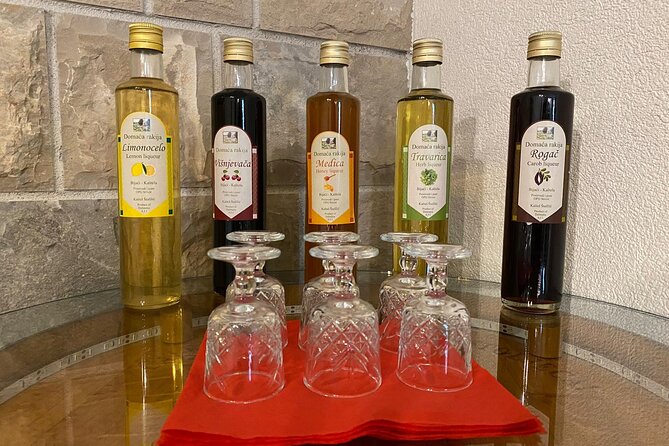
- Three wines and seven homemade liquors: Tastings include wine, rakija, limoncello, and other house-made pours.
- A real farm walk: You see the vineyards, olive trees, and almond groves while learning about pruning, harvest work, and production.
- Wine straight from the cellar: Kathrin explains fermentation equipment and may let you bottle wine yourself.
- A full Dalmatian tasting table: Expect prosciutto, cheese, sardines, peka bread, stuffed peppers, olives, figs, almonds, and orange peel.
- A very small group: The maximum is eight people, which suits anyone who prefers a personal visit over a large bus tour.
Why this feels different from a standard wine tasting
Many wine tastings give you a glass, a few facts, and a view. This one gives you the whole chain of work behind the glass. You walk among the vines and olive trees, hear about pruning and harvest days, see the cellar equipment, and taste the results with food made by the family.
That matters in Dalmatia, where wine and olive oil are not simply products for a tasting room. They are part of household life, seasonal work, and local cooking. A piece of aged cheese with olive oil tells you more about the estate than a polished sales speech ever could.
The visit is hosted by Kathrin, whose warmth is central to the experience. Her husband is also involved in the family estate, and the tone is informal and personal. You are not being moved from one commercial stop to another. You are spending time at a working family property.
The small group limit of eight helps. You can ask questions without shouting across a crowded room, and the agricultural walk should feel more like a visit than a scheduled parade. If you like direct contact with local producers, this is the strongest reason to book.
More Trogir wineries worth an afternoon:
- Krka Waterfalls and wine tasting Tour from Split or Trogir
★ 4.5 · 170 reviews - Kastela: Wine & Olive Tasting Tour w/Delicacies & Live Music
★ 5.0 · 5 reviews - From Split: Krka Waterfalls, Food & Wine Tasting Tour
★ 5.0 · 9,326 reviews
Walking through the vineyards, olive trees, and almond grove
The tour begins at the family estate at Put Bijaća 38 in Kaštel Novi. Pickup is offered, but the listed meeting point is the estate itself, so check the pickup arrangement when booking if you are staying elsewhere around Trogir.
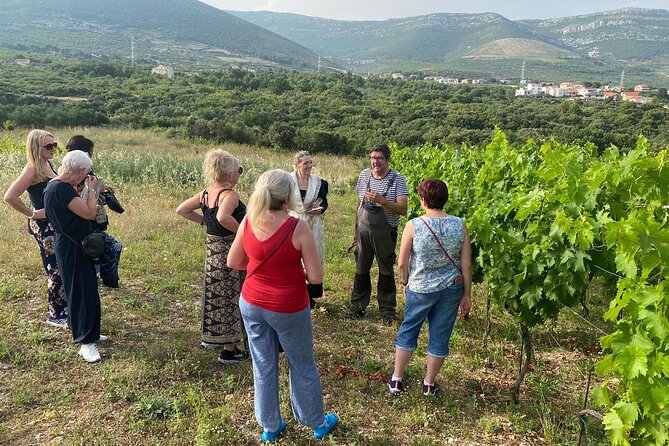
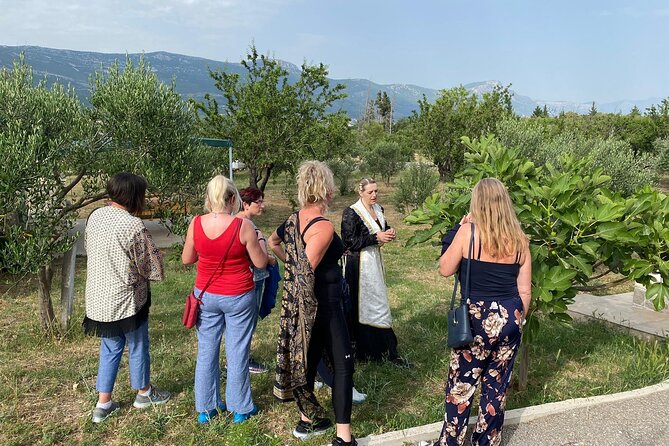
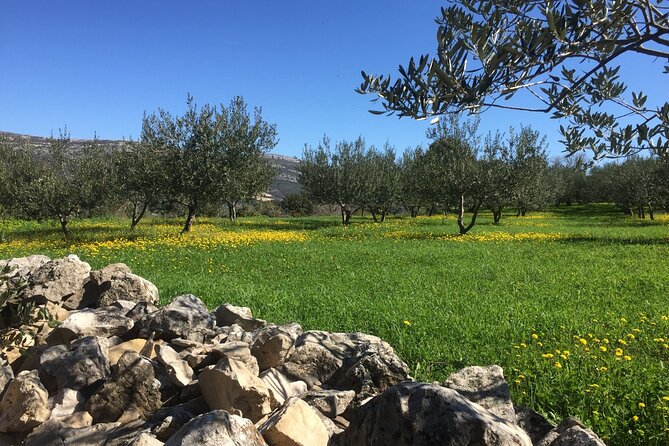
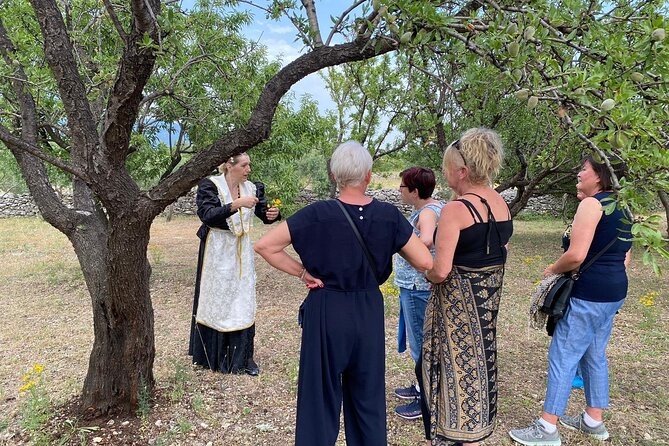
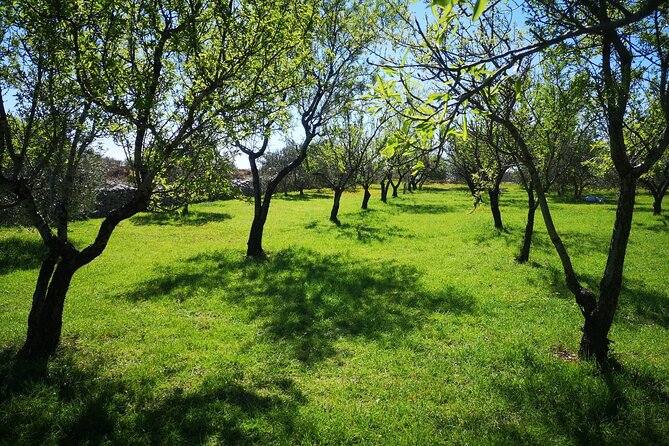
The first part is an agricultural walk through the olive and almond groves and the vineyards. Kathrin explains the care required to produce award-winning wine and extra virgin olive oil. You hear about pruning, cultivation, and the effort that goes into the grape and olive harvest.
This is not a long hike. The value comes from seeing the crops in place before tasting what they produce. Wine can seem abstract when it arrives in a glass. Standing among the vines gives you a better sense of the work, timing, and patience involved.
The olive grove is especially useful for understanding extra virgin olive oil. You can connect the trees to the oil on the table later in the afternoon. The same goes for the almonds, figs, and other ingredients served with the food. This is a farm-to-table idea in a very straightforward sense.
Bring comfortable shoes for walking between the trees and vineyard rows. The tour is outdoors before moving into the cellar and dining area, so the weather may shape how comfortable the first part feels. The start time is 11:00 a.m., and the total visit lasts about three and a half hours.
Bijaći and the story behind the setting
The estate sits in the historical area of Bijaći, described as a cradle of Croatian history. Prince Trpimir’s charter from the year 852 mentioned the word Croat for the first time, giving the location importance beyond its agricultural work.
You will not be taking a full history tour of Croatia here. The historical note is part of the setting, not the main program. Still, it adds useful context. You are tasting wine and olive oil in a place tied to an early written record of Croatian identity, rather than at an anonymous countryside venue.
This combination suits you if you prefer local history in small doses. The focus stays on the farm, the cellar, and the food, but the location gives the visit a stronger sense of place.
Inside the cellar: fermentation tanks, grappa, and bottling
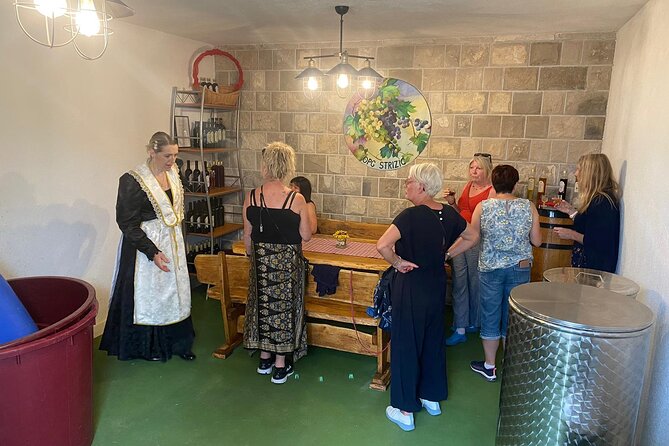
After the farm walk, you descend into the wine cellar. Kathrin explains the tools used for winemaking and grappa distilling, then pours wine directly from the fermentation tanks.
That detail makes the tasting more interesting. You are not only sampling finished bottles. You are seeing wine at a working stage and learning how it changes before it reaches the table. The process is presented by the person who helps make it, which gives the cellar visit a practical feel.
One especially memorable activity is bottling your own wine. The exact arrangement may depend on the day’s production, but the experience includes the chance to fill a bottle yourself and take it home. This small task gives you a personal souvenir without turning the visit into a gift-shop stop.
The tasting also includes homemade rakija and other liquors. Green walnut rakija and homemade limoncello are particular highlights, along with a total of seven liquors. Rakija can range from smooth and sweet to strong and fiery, so pace yourself. The number of pours is generous, and this is not the place to rush from glass to glass.
You also receive three wine pairings. The information provided does not specify the exact grape varieties or vintages, so anyone looking for technical wine details should ask Kathrin during the tasting. The emphasis is on family production, local flavors, and hospitality rather than a formal sommelier lesson.
A few more Trogir half-days to weigh up
- Blue cave, Mama Mia and Hvar, 5 island speedboat tour from Trogir
★ 5.0 · 2,861 reviews - From Trogir: Three Islands Half-Day Speedboat Tour
★ 4.8 · 804 reviews - From Trogir or Split: Full-Day Blue Cave & Hvar Island Tour
★ 4.7 · 413 reviews - Half Day Speedboat Tour to Three Islands from Trogir
★ 5.0 · 401 reviews
A Dalmatian table among the trees
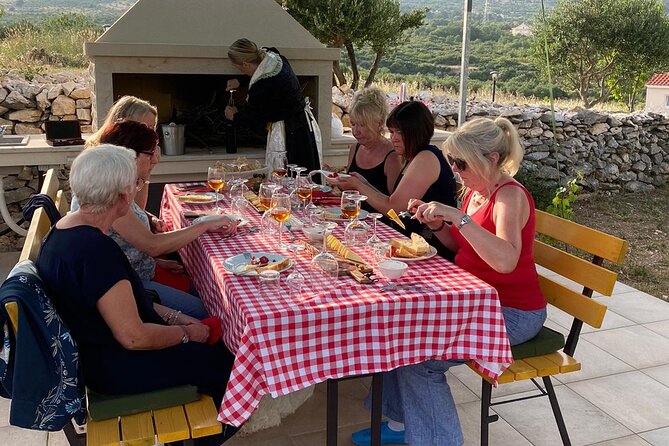
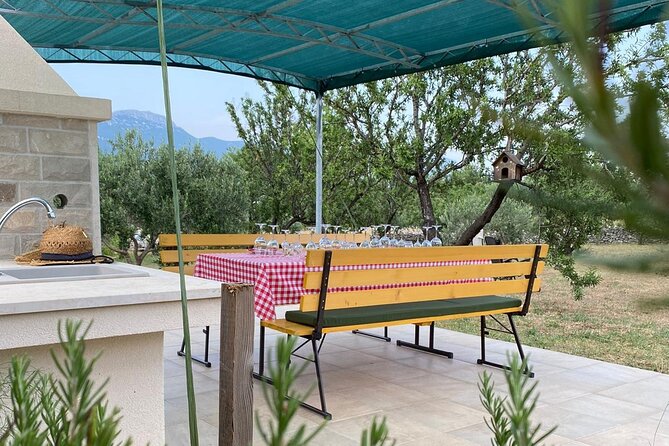
The food is a major part of the outing. After the cellar visit, you sit in a peaceful dining area between the olive and almond trees for a spread of homemade Dalmatian delicacies.
The listed menu includes:
- Prosciutto
- Aged cheese
- Peka bread
- Sardines
- Olives
- Filled bell peppers
- Extra virgin olive oil
- Dried figs
- Sugarcoated almonds
- Sugarcoated orange peels
This is more than a few nibbles beside a tasting flight. The combination of cured meat, cheese, bread, fish, vegetables, fruit, and sweets gives you a broad sample of Dalmatian flavors. Olive oil is part of the meal, not merely something to discuss in the grove.
Peka bread, sardines, and prosciutto bring the salty, savory side of the table. Figs, almonds, and orange peel provide a sweet finish that pairs naturally with some of the liquors. The meal is substantial enough to make the three-hour visit feel like a complete outing rather than an add-on to a sightseeing day.
The outdoor setting is part of the charm, but it is also a practical variable. You are eating among the orchard rather than in a formal restaurant, so the appeal comes from the relaxed farm atmosphere. If you want polished service, printed menus, and a controlled dining room, this may feel too informal. If you want to eat where the ingredients are grown, it fits perfectly.
Croatian songs, local dress, and the human touch
During the meal, Kathrin plays traditional Croatian songs on the accordion while wearing local traditional dress. This is not background music from a speaker. It is a personal performance woven into the meal.
Music can easily become a forced tourist show, but here it is presented as part of the family welcome. The accordion, the orchard table, and the homemade food create a stronger sense of occasion than a silent tasting room would.
The personal style is one of the most praised parts of the visit. Kathrin’s hospitality makes the experience feel generous and direct. She is not only explaining production methods. She is sharing the family’s work, food, drinks, and customs with you.
Some people may find the music and traditional costume more theatrical than they prefer. That is worth knowing before you book. This is not a strictly technical winery visit. It combines agriculture, food, drink, music, and family storytelling.
What the $225.18 price gets you
At $225.18 per person, this is expensive compared with a simple wine tasting. The price needs to be judged as a full half-day experience, not as the cost of three glasses of wine.
You receive an estate visit, a guided walk, cellar instruction, three wines, seven liquors, a substantial food spread, traditional music, and the chance to bottle wine yourself. Pickup is offered, and the group can be as small as eight people. Those elements make the fee easier to justify for a special day around Trogir or Split.
The value is strongest if you enjoy food and drink as a way to understand a place. It is weaker if you only want to sample local wine quickly. A serious wine collector may also want more information about grapes, vintages, production volumes, and bottle prices than the tour promises.
I would compare this with the cost of arranging separate transport, a vineyard visit, a meal, and several tastings. The tour puts all of that into one visit, with a host who also provides the setting and entertainment. For a couple or small group celebrating something, the price may feel reasonable. For a family on a tight budget, it is a considerable splurge.
Who will enjoy this most
I would choose this for adults who want a personal connection to Dalmatian food and drink. It suits couples, small groups of friends, and anyone who prefers family-run places to large commercial wineries.
The age guidance is clear: it is not recommended for children under 18. That makes sense given the wine and liquor tastings, as well as the length of the meal. Service animals are allowed.
You should also enjoy a relaxed pace. The tour is not built around checking off several attractions. You spend time in one place, listening, tasting, walking, and eating. If you want a tightly timed sightseeing program, this will not be the right fit.
The visit is offered in English. Since the group is limited to eight people, you can expect a more direct exchange with Kathrin than on a large coach excursion.
Practical details that matter
The activity starts at 11:00 a.m. at Put Bijaća 38, 21217 Kaštel Novi, Croatia, and ends back at the meeting point. Pickup is offered, but you should confirm the exact arrangement for your accommodation.
The duration is approximately three hours and 30 minutes. Wear shoes suitable for a walk through a vineyard and orchard, and plan to eat before or during the tasting rather than treating this as a quick drink stop.
The confirmation arrives at booking. Free cancellation is available up to 24 hours before the start time for a full refund. Cancellations or changes made less than 24 hours before the start are not accepted for a refund, and the cutoff uses local time.
Because the experience includes several alcoholic pours, arrange your day around the tour rather than planning to drive afterward. The supplied information does not describe a separate nonalcoholic tasting, so ask in advance if that matters to you.
Should you book the vineyard visit?
Book it if you want a warm, food-centered introduction to Dalmatian farm life and you value time with a family producer. The walk through the vines and olive grove, the cellar tasting, homemade meal, accordion music, and wine bottling give the visit plenty of texture.
Think twice if your priority is a low-cost tasting, a technical wine seminar, or a short stop between major sights. At $225.18, you are paying for the full hospitality of the estate, not only the alcohol.
For the right person, this can be one of the most memorable ways to spend a day near Trogir. You leave with a better sense of how wine and olive oil are made, a meal of local flavors, and possibly a bottle you helped prepare yourself.
FAQ
Where does the tour start?
The meeting point is Put Bijaća 38, 21217 Kaštel Novi, Croatia. The activity ends back at the meeting point.
What time does the tour begin?
The tour starts at 11:00 a.m.
How long does the experience last?
The experience lasts approximately three hours and 30 minutes.
Is pickup available?
Yes. Pickup is offered, but the provided information lists the family estate as the meeting point, so confirm pickup details when booking.
How much does the tour cost?
The listed price is $225.18 per person.
What drinks are included?
The tasting includes three wines and seven liquors. The cellar visit also includes wine poured directly from fermentation tanks.
What food is served?
The spread includes prosciutto, aged cheese, peka bread, sardines, olives, filled bell peppers, extra virgin olive oil, dried figs, sugarcoated almonds, and sugarcoated orange peels.
How large is the group?
The maximum group size is eight people. The tour is offered in English, and service animals are allowed.
Just added around Trogir
- Split and Salona Cultural Heritage Day Tour from Trogir★ 4.0 · 3 reviews
- Split and Trogir private tour *ideal for cruise ship guests*★ 5.0 · 3 reviews
- Trogir; Private walking tour of higlights of Trogir★ 4.7 · 3 reviews
- Trogir to Krka Waterfalls – Full Day Private Tour Including Free Detour★ 5.0 · 3 reviews
- From Trogir Day sailing (private tour)★ 5.0 · 4 reviews
- Private Transfer from Split Croatia Airport to Hotel★ 5.0 · 4 reviews
- Split (airport) – Hvar (town) sea transfer★ 5.0 · 4 reviews
- Private speedboat tour to Blue Cave and visit Island Hvar★ 4.0 · 4 reviews
Wine Tours, compared.
Krka National Park Tour with tour Guide & Wine tasting from Split & Trogir
Read our review →
Krka Waterfalls With Boat Cruise, Wine and Olive Oil
Read our review →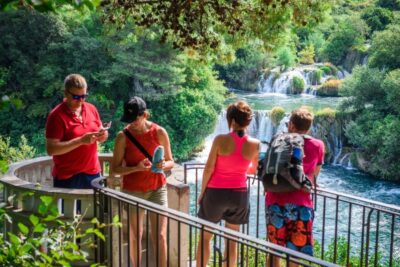
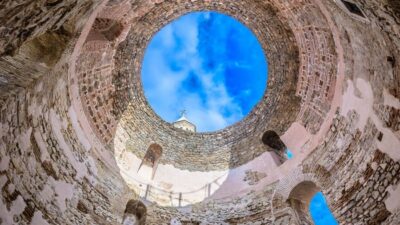
Game of Thrones Tour with Diocletian’s Palace Cellar
Read our review →
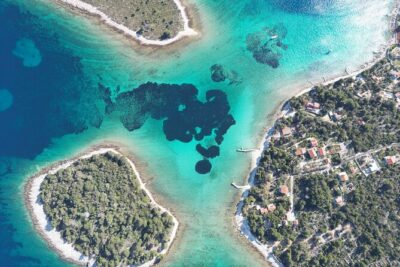
Blue Lagoon Tour from Split with Bottled Water and Wine Included
Read our review →Browse the lists this tour appears in