
Reviewed · SPLIT FOOD TOURS
Food Tour in Split ( Small Group)
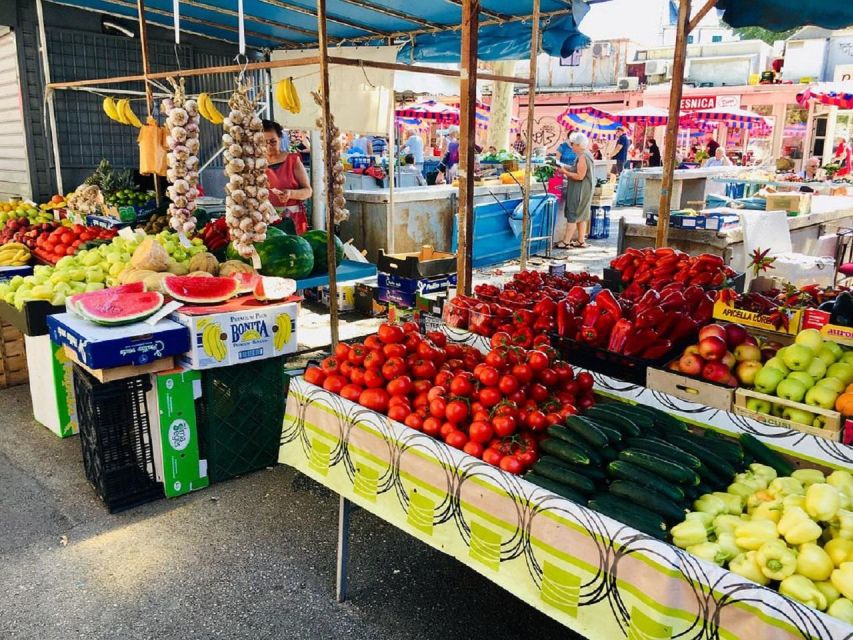
Split’s best food stories are found in small family shops and old market stalls, not in polished restaurants built for passing crowds. This 2.5-hour walk takes you from the Green Market beside Diocletian’s Palace to a fish market, a traditional bakery and local places serving burek and sweets.
I like two things here. First, the food is tied closely to Split’s daily life: farmers bring homemade products to the market, locals still visit the old burek stop, and a family shop makes fritula. Second, the group is capped at 10 people, which gives guides such as Dee Dee and Bruno room to explain the city and answer questions.
The main drawback is timing. At $94 per person, this is not a cheap way to buy a meal, and a seasonal closure can mean that one of the food stops changes. If you want a long sit-down lunch or a broad wine tasting, this is not that tour.
In This Review
- Key points about Split’s food walk
- Why this tour begins at Split’s Green Market
- Peristyle adds the story behind the food
- Burek in an old local eatery
- The Split Fish Market brings a Mediterranean pause
- Family shops and the final fritula
- What the guides add to the experience
- Is $94 good value for 2.5 hours?
- Timing, meeting point and route details
- Who will enjoy this Split food tour most?
- How to get more from the experience
- Should you book this small-group food tour?
- FAQ
- How long does the Food Tour in Split last?
- How much does the tour cost?
- What food is included?
- Where does the tour start?
- Where does the tour finish?
- How many people can join?
- What language is the tour conducted in?
- Are drinks included?
- Can I cancel for a full refund?
Key points about Split’s food walk
- Taste local staples: Try prosciutto, cheese, soparnik, burek and homemade fritula.
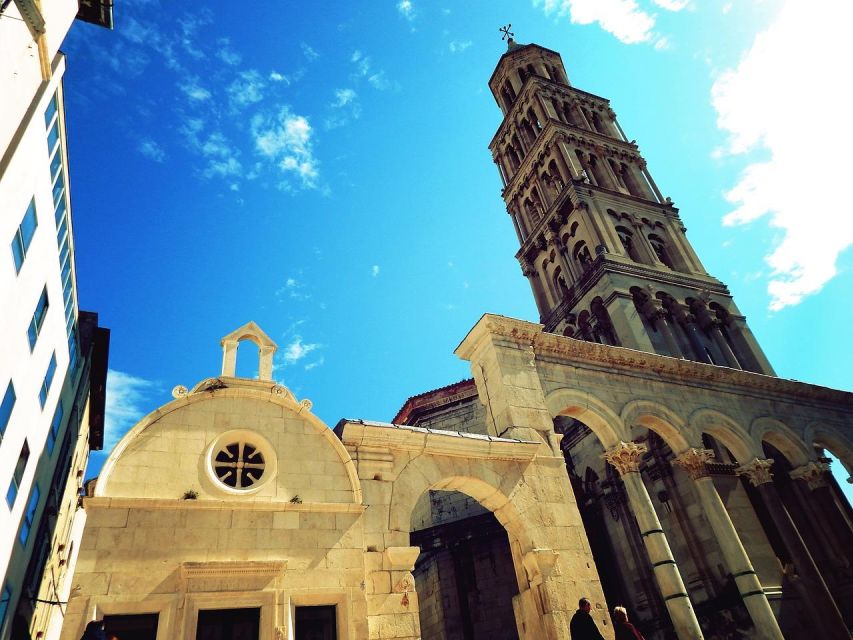
- Start beside Diocletian’s Palace: The meeting point is in front of St. Dominic Church, across from the Silver Gates.
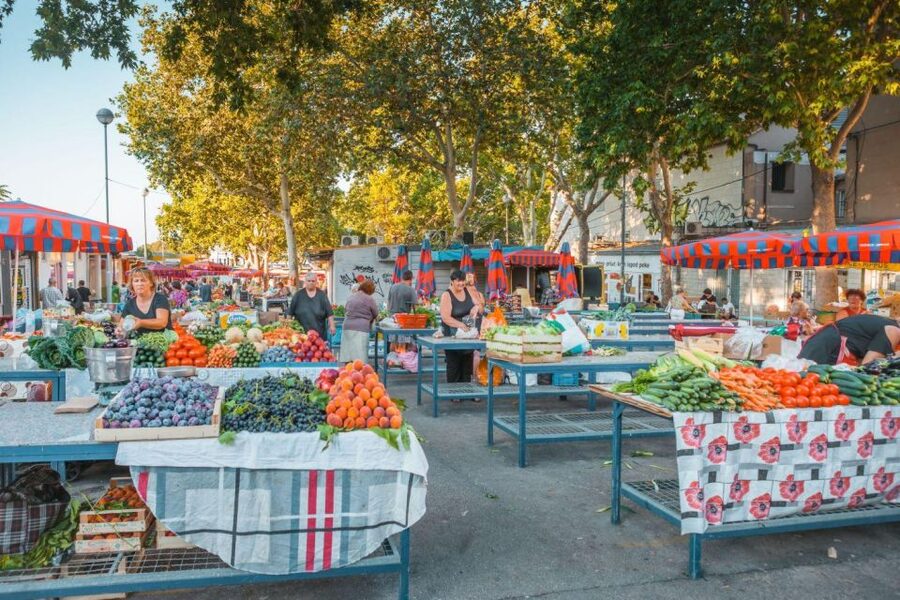
- See two working markets: The Green Market shows farm products from nearby villages, while the fish market brings a Mediterranean feel.
- Learn from local guides: Dee Dee and Bruno grew up in Split and know the old town’s lanes and food customs.
- Keep the group small: No more than 10 participants join the English-language walk.
- Plan for tastings, not a full meal: Several bites are included, but the tour is built around sampling different foods.
Why this tour begins at Split’s Green Market
The Green Market is the right first stop because it gives you a quick lesson in how food reaches Split. Farmers from surrounding villages sell homemade products here, and your guide introduces traditional foods before the walk moves into the old town.
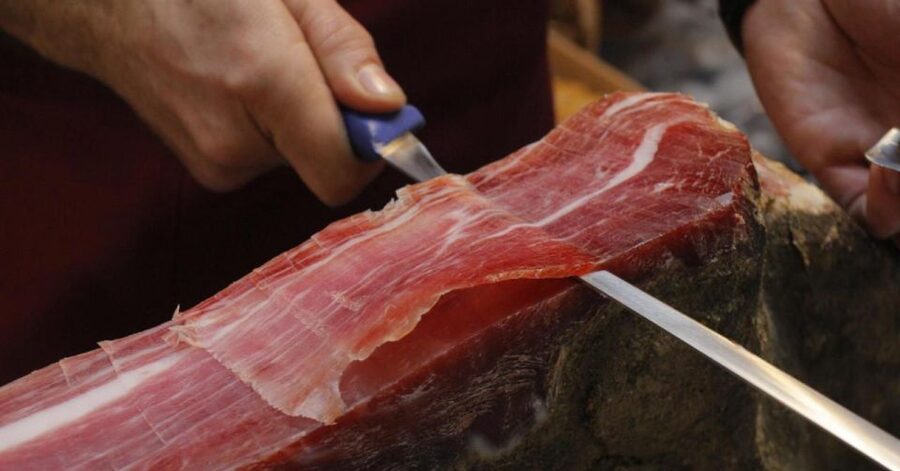
You can expect to taste prosciutto, cheese and soparnik. Soparnik is a traditional local savory pie, and it helps show the difference between food made for everyday life and dishes designed for a restaurant menu. The point is not simply to sample a few Croatian specialties. You get a sense of the home cooking that shaped Dalmatian eating habits.
The market visit lasts about 30 minutes. That is enough time for a focused introduction, though it is not a long shopping session. If you hoped to browse every stall or buy a full picnic, you will need to return on your own.
I especially like starting here because the guide can explain ingredients in context. You see the products where locals buy them, rather than hearing a list of dishes in a dining room. The stop also gives you a useful reference point for the rest of the tour: you begin with village-made food, then follow Split’s food traditions through bakeries, markets and small eateries.
More food tours in Split:
- From Split: Krka Waterfalls, Food & Wine Tasting Tour
★ 5.0 · 9,326 reviews - From Split: Krka Waterfalls, Food & Wine Tasting Tour
★ 4.9 · 6,598 reviews - Split: Blue Lagoon and 3 Island Cruise with Food and Drinks
★ 4.8 · 1,969 reviews
Peristyle adds the story behind the food
Between tastings, the walk pauses at Peristyle, the imperial square inside Diocletian’s Palace. This is not a food stop, but it keeps the tour from becoming a simple procession of snacks.
Your guide connects Split’s food customs with the city’s past and with the influence of different cultures on local cooking. That matters because Dalmatian food did not develop in isolation. The tour is designed to show how the city’s gastronomic offer changed through time, and Peristyle gives the guide a natural place to explain that story.
You should expect a short outdoor history talk rather than a full palace tour. The food remains the focus, with Split’s historic center providing the setting and context. Since the walk stays around the old town, you get a useful introduction to the city as you move from stop to stop.
Guides who grew up in Split add something valuable here. Dee Dee is praised for making the history and culture easy to follow, while Bruno brings a relaxed manner and personal knowledge of the old town’s back streets. That local connection is one of the strongest reasons to choose this experience over a generic food crawl.
Burek in an old local eatery
The next food stop is a rare traditional place in central Split that has kept its old character and remains part of local life. Here, you try burek, a spiral of thin filo pastry filled with savory ingredients and baked in a hot oven.
The tasting includes both minced meat and cheese fillings. That comparison is useful because the fillings give the pastry two different personalities. The meat version is hearty, while the cheese version offers a simpler, creamy contrast. Your guide also explains how this food fits into the city’s wider culinary influences.
This stop is a good example of the tour’s approach. You are not only tasting a famous pastry. You are being taken to a place selected for its long connection with local eating habits. The experience is strongest if you care about where people actually eat and how food fits into ordinary routines.
The tradeoff is that a traditional eatery may feel less polished than a modern restaurant. That is part of the appeal, but you should not book this expecting a formal meal with a carefully paced menu. This is a quick, focused tasting during a walking route.
The Split Fish Market brings a Mediterranean pause
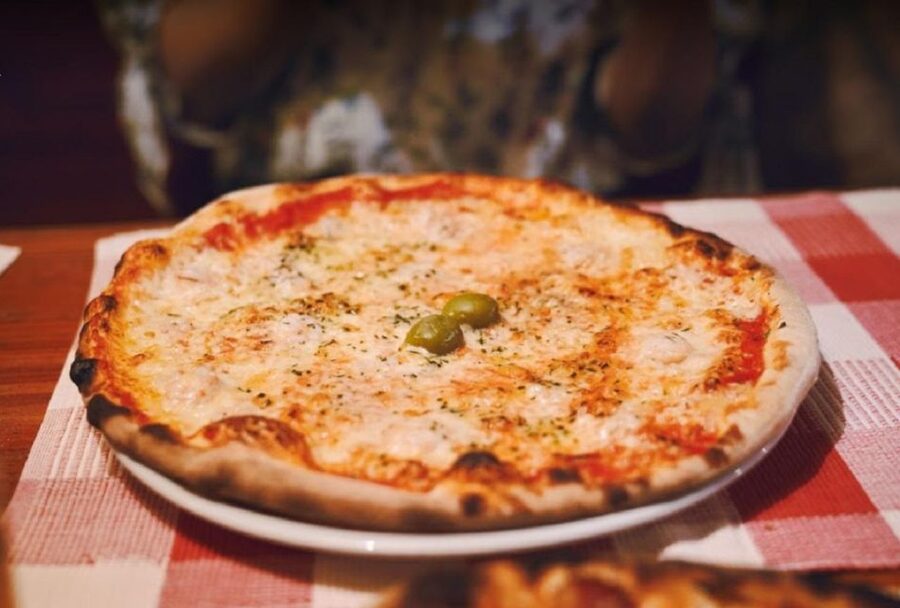
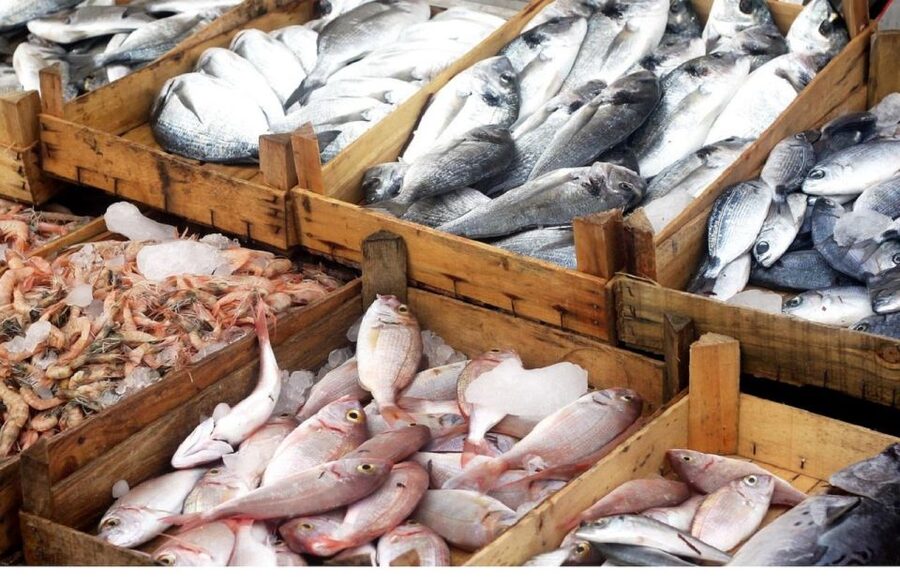
The fish market is the next major stop, and it changes the tone of the tour. After the Green Market’s village products and the bakery-style burek, you get the sights and sounds of a typical Mediterranean market.
The visit includes both a market stop and a food tasting. The information provided does not specify the exact fish or serving style, so you should expect your guide to explain what is relevant on the day rather than count on a fixed seafood plate.
That flexibility can be useful. A fish market is a working place, and its character comes from what is available and how local sellers present it. Your guide explains the passion surrounding this part of Split’s food culture and shows how seafood fits into the local diet.
The fish market stop lasts around 30 minutes. It gives you enough time to look around and hear the story without turning the tour into a market-shopping excursion. If seafood is your main reason for booking, keep your expectations measured. The tour includes a tasting, but it is not presented as a dedicated seafood lunch.
A few more Split half-days to weigh up
- Split: Krka Waterfalls Trip with Boat Cruise and Swimming
★ 4.8 · 10,519 reviews - Blue cave, Mamma Mia and Hvar, 5 islands speedboat tour
★ 5.0 · 7,150 reviews - Split/Trogir: Blue Cave, Mamma Mia, Hvar and 5 Island Tour
★ 4.6 · 6,320 reviews - Blue Lagoon & 3 Islands Cruise with Lunch from Split
★ 4.5 · 5,756 reviews
Family shops and the final fritula
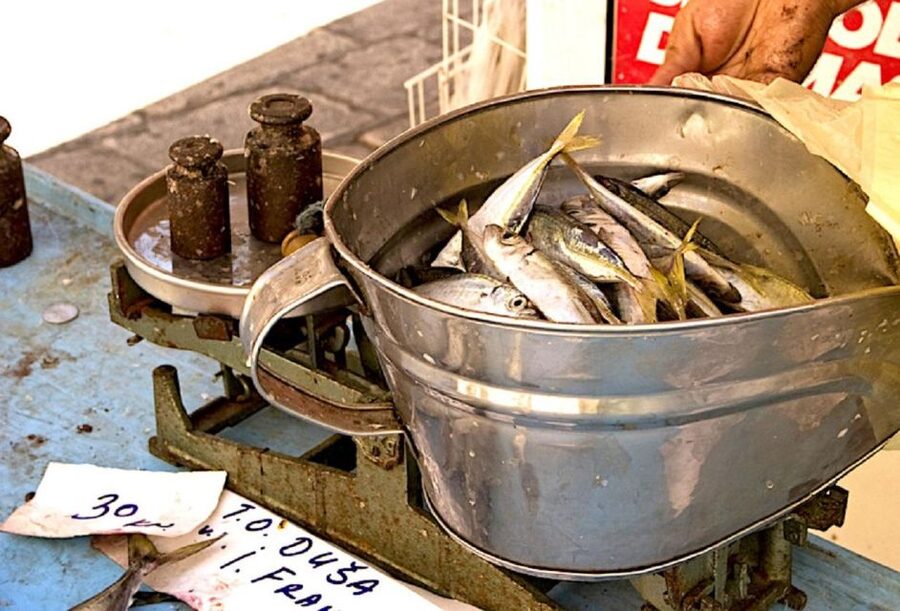
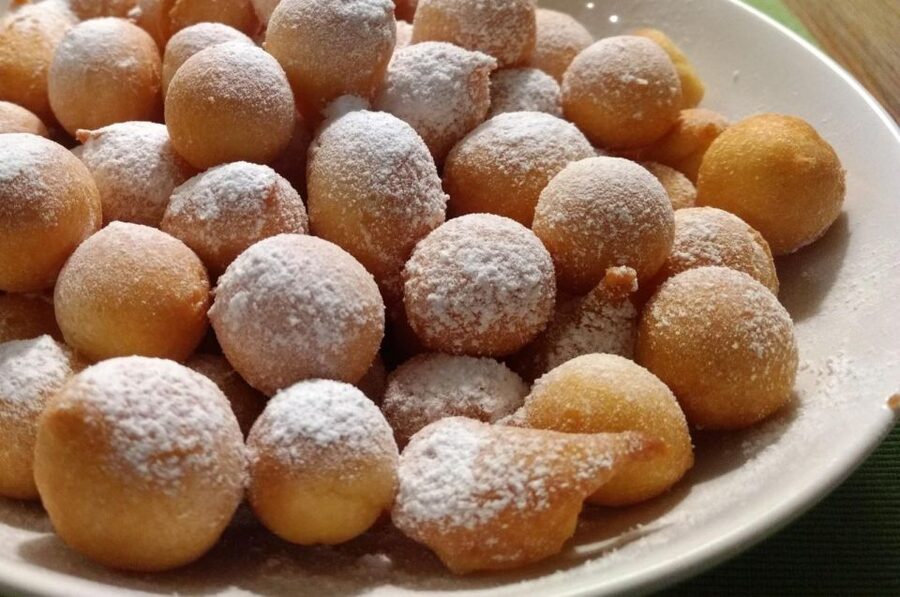
The final stop is a family shop specializing in traditional local sweets. Here, you finish with homemade fritula, a small sweet associated with Dalmatian cooking.
Ending with fritula gives the tour a clear rhythm. You begin with savory market products, move through burek and fish, and finish with a homemade dessert. It is a pleasant way to close the walk, especially if you prefer tasting several small foods instead of sitting down for one large dish.
The family-run setting also fits the tour’s main idea. The aim is to show small businesses and long-running food traditions that can be easy to miss when you explore Split on your own. You may walk past these places without knowing what to order or why they matter. A local guide removes that guesswork.
The bakery stop is listed as another 30-minute tasting. Since the precise order and duration of every bite can vary, allow the full 2.5 hours and avoid scheduling a tight appointment immediately afterward.
What the guides add to the experience
The quality of this tour depends heavily on the guide, and the strongest feedback centers on personal attention, local knowledge and an easygoing style.
Dee Dee is described as friendly, well-informed and highly familiar with Split’s history and culture. Her approach seems especially suited to you if you want the food explained as part of the city’s identity rather than presented as a series of unrelated dishes.
Bruno is praised for a laid-back manner that keeps the walk relaxed. His local background helps him point out old-town lanes and less obvious places to eat. He is also noted for giving the experience a personal feel and adapting his attention to the group.
Gita has also led the tour. One important practical point comes from her season: some restaurants may still be closed outside the main travel period. The food available was still considered delicious, but this is a reminder that Split’s opening hours and seasonal business patterns can affect the exact route.
With a maximum of 10 participants, the guide can talk with you rather than deliver a speech to a crowd. That size is particularly helpful in the market, where it is easier to stay together and ask about unfamiliar foods.
Is $94 good value for 2.5 hours?
The price is $94 per person. All the food you taste and a professional English-speaking guide are included.
I would judge the price as fair for a small-group introduction, but only if you value the local access and explanation. You are paying for more than the food itself. The route links markets, historic sites, family shops and traditional eateries, and the guide explains how different cultures and periods shaped Split’s food.
You are not paying for a lavish meal. The experience includes several tastings, but the stops are spread across a walking tour. If you have a large appetite, you may want another meal later. Think of this as a guided sampler with history, not a replacement for a full lunch.
The 10-person limit improves the value. A large group would make market visits awkward and reduce the chance to speak with the guide. Here, guides such as Dee Dee and Bruno can make the walk feel more personal, which is one reason the experience has received a 4.8 rating from 15 ratings.
I would compare the tour with the cost of booking several dishes independently. Eating on your own may cost less, but you would not automatically find the old burek stop, understand the difference between the markets or learn how the foods connect to Split’s past. The tour makes the most sense during your first days in the city, when that orientation can help you choose where to eat afterward.
Timing, meeting point and route details
The meeting point is in front of St. Dominic Church, across from the Silver Gates of Diocletian’s Palace, at Hrvojeva 2. This is central and easy to connect with if you are already exploring the palace area.
The route includes:
- Green Market, with about 30 minutes for a market visit
- Peristyle, with a short history explanation
- A local restaurant for burek and a guided tasting
- Split Fish Market, with market time and food tasting
- Another local restaurant for food tasting
- A local bakery for fritula and other traditional sweets
The activity lasts 2.5 hours, and the exact starting time depends on availability. The end point is listed as Narodni trg, while the meeting information also says the activity ends back at the meeting point. Because those details do not match perfectly, confirm the finishing location when you book, especially if you have a ferry, dinner reservation or other timed plan.
The experience is conducted in English. No transport is involved in the information provided, so plan on walking between the stops in central Split.
Who will enjoy this Split food tour most?
I would recommend this walk to you if you want a quick introduction to local food and prefer small businesses to formal dining rooms. It suits first-time visitors who want to understand what to order later, as well as repeat visitors who want a more local angle on the old town.
It is also a good fit if you enjoy history with your meals. The stop at Peristyle and the explanations about cultural influence give the tastings a wider frame. You will learn not just what a food is, but why it belongs in Split.
The tour works well for people who like variety. You taste market products, pastry, seafood-related food and sweets in one outing. It is less suited to you if you want a single large meal, a wine-focused route or a detailed cooking lesson.
Families and mixed-age groups may appreciate the short stops and range of flavors, though the data provided does not specify a minimum age or particular child arrangements. If you have dietary restrictions, ask before booking, since the included foods and fillings are specified but special alternatives are not.
You should also consider the season. The experience can be affected by local businesses closing outside the main season. The route may still be worthwhile, but you should be comfortable with a possible change in stops.
How to get more from the experience
Book this early in your Split stay if you can. The guide’s advice about local food can shape the rest of your meals, and you will recognize the markets and dishes when you return on your own.
Arrive at St. Dominic Church with a little time to spare. The meeting point is beside a major entrance to Diocletian’s Palace, but old-town streets can be confusing if you are rushing.
Come ready to taste rather than feast. Prosciutto, cheese, soparnik, burek, fish-market food and fritula make up a varied food lesson, but portion sizes are not described as a complete meal. If you normally eat an early or late lunch, plan around the tour.
Pay attention to the explanations between stops. The walking time is not filler. It is when the guide describes local eating habits, the city’s past and the outside influences that changed Split’s food. That context is what separates this from simply buying a pastry and moving on.
Cancellation is free up to 24 hours before the activity for a full refund, and you can reserve now and pay later. Those terms help if your schedule around ferries or day trips is still unsettled.
Should you book this small-group food tour?
Book it if you want local food with local context, especially during your first visit to Split. The Green Market, old burek stop, fish market and family sweet shop create a more grounded picture of the city than a restaurant-only tasting.
The strongest case is the combination of food and personal guiding. Dee Dee, Bruno and Gita bring different styles, but the experience is built around guides who know Split from lived experience. The small group of up to 10 makes that local connection easier.
Skip it if $94 feels high for several tastings, or if you need a guaranteed full meal and fixed restaurant lineup. Seasonal closures can affect the route, and the exact finish point should be confirmed.
For me, the tour earns its price when you treat it as a city orientation, a food sampler and a short history walk in one. It is a practical choice for curious eaters who want to know what Split tastes like beyond the obvious tourist menu.
FAQ
How long does the Food Tour in Split last?
The tour lasts 2.5 hours.
How much does the tour cost?
The price is $94 per person.
What food is included?
All food you taste during the tour is included. The listed foods include prosciutto, cheese, soparnik, burek with minced meat and cheese fillings, a fish-market tasting and homemade fritula.
Where does the tour start?
The meeting point is in front of St. Dominic Church, across from the Silver Gates of Diocletian’s Palace, at Hrvojeva 2.
Where does the tour finish?
The activity information lists Narodni trg as the finish point. The meeting details also state that the activity ends back at the meeting point, so confirm the final location when booking.
How many people can join?
The group is limited to 10 participants.
What language is the tour conducted in?
The live tour guide conducts the experience in English.
Are drinks included?
The provided details list food tastings and a professional guide as included, but do not state that drinks are included.
Can I cancel for a full refund?
Yes. You can cancel up to 24 hours in advance for a full refund. You can also reserve now and pay later.
Just added around Split
- Kayaking & Zipline Šibenik – Čikola Canyon★ 5.0 · 3 reviews
- Krka National Park & Zipline Šibenik – Čikola Canyon★ 5.0 · 3 reviews
- From Split: Krka National Park & Waterfalls Private Day Trip★ 5.0 · 3 reviews
- Split: Small-Group Half Day Sailing Trip★ 5.0 · 3 reviews
- Rafting River Cetina from Makarska Riviera including transfer★ 5.0 · 3 reviews
- Split Bike and Wine Experience★ 5.0 · 3 reviews
- Split and Salona Cultural Heritage Day Tour from Trogir★ 4.0 · 3 reviews
- Private transfer from Split to Dubrovnik with 2h sightseeing stop in Ston★ 5.0 · 3 reviews
Split Food Tours, compared.
Blue Lagoon and 3 Island Cruise with Food and Drinks
Read our review →
Full-Day Catamaran Cruise to Hvar & Pakleni Islands with Food and free Drinks
Read our review →
Split Food Tour: Discover Split One Bite At A Time
Read our review →
Split History and Gastro Small-Group Tour with Food and Drinks
Read our review →
All-inclusive Gastro Blue Cave Tour from Split
Read our review →
Blue Lagoon, Shipwreck and Šolta with Food and Drinks
Read our review →Browse the lists this tour appears in