

Reviewed · SPLIT
Give Bees a chance!
A real beehive, viewed up close without the danger of being stung, is the hook here. On Šolta island, beekeeper Goran Tvrdić explains how bees live, work, and support our food supply, then lets you taste local honey and other hive products.
I like the personal family connection, with beekeeping carried through several generations. I also like the worldwide honey collection, built from jars sent by people on every continent to support the message of giving bees a chance.
The main drawback is the short format. At about one hour, this is a focused visit rather than a full island outing, and food, drinks, and lunch cost extra or are not included. Plan your ferry and island schedule around it.
In This Review
- Key points to know before you book
- Why a beehive makes Šolta worth the stop
- Meeting Goran and the Tvrdić family tradition
- Looking inside a live hive without a sting
- The honey tasting, with rosemary as the local star
- A honey collection that reaches around the world
- Why the small group matters
- Pickup from Rogač Port and the one-hour schedule
- Is $30.04 a fair price?
- Who will enjoy this most
- Should you book Give Bees a Chance?
- FAQ
- Where does the experience start?
- Is hotel or port pickup included?
- How long does the activity last?
- What can I expect to see and taste?
- How many people can join?
- Can I cancel for a full refund?
Key points to know before you book
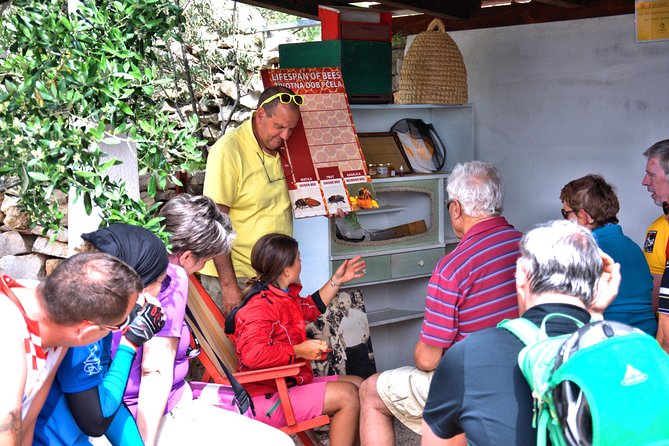
- See a real hive from the inside: You can watch the workings of a live beehive without putting yourself in the path of angry bees.
- Meet Goran Tvrdić: His presentation mixes practical beekeeping knowledge with humor and stories from a family tradition.
- Taste Šolta honey: Rosemary honey is a particular highlight, along with other local varieties, propolis, pollen, and royal jelly.
- Keep the group small: No more than 15 people can join, which gives you a better chance to ask questions.
- Use the included transfer: Pickup and return are offered from hotels and ports, including the meeting point at Rogač Port.
- Allow one hour: This works well as a compact stop, but it does not replace a longer food tour or island excursion.
Why a beehive makes Šolta worth the stop
Šolta is known for its island setting, but this experience gives you something more specific than a pretty view or a quick shop visit. It puts the working life of bees at the center of your time on the island.
You do not simply hear that bees are important. You see the organized activity inside a hive and learn how honey, pollen, propolis, and royal jelly fit into the colony’s life. That makes the subject easier to grasp than a standard talk about conservation.
Goran presents the subject in plain language. His style is lively, funny, and suitable for a wide age range. A family group with children and adults can follow the presentation without needing a background in biology or farming.
I like that the focus goes beyond honey as a sweet food. The talk covers the modern problems bees face and the role they play in nutrition and healthcare. You leave with a better idea of why a small insect matters to the food on your table.
Other Dalmatia days people book alongside this one:
- Whitewater Rafting on Cetina River from Split or Šestanovac
★ 5.0 · 560 reviews - Extreme Canyoning on Cetina River from Split or Šestanovac
★ 5.0 · 262 reviews - Montenegro: Bay of Kotor Day Trip from Dubrovnik English -Español
★ 4.5 · 188 reviews
Meeting Goran and the Tvrdić family tradition
The experience is hosted by Tvrdic Honey, a family business tied to generations of beekeeping on Šolta. Goran Tvrdić is the guide named most often in connection with the presentation, and he brings a relaxed, natural manner to the visit.
That personal touch matters. Instead of watching a polished demonstration delivered by a distant company, you hear from someone whose family has kept bees for generations. Goran explains the work behind each jar, from the life of the colony to the production of honey and related products.
His humor is a real part of the experience. The subject can become heavy when the talk turns to the pressures facing bees, but Goran keeps the mood light enough for the message to land. He is also happy to answer questions, so do not be shy about asking how different honeys get their flavor or what the various hive products do.
The family connection is also useful if you want to buy something local. A jar from Šolta is more meaningful than a generic souvenir because it connects directly to the island’s beekeeping tradition.
Looking inside a live hive without a sting
The most unusual part of the visit is the chance to see a real beehive close up. You can observe the internal workings of the hive without the danger of being stung, making this a good choice for anyone curious about bees but uneasy around them.
The display helps you understand that a hive is not just a box filled with honey. It is a busy social system, with bees carrying out different tasks and working together to maintain the colony. Goran uses the hive to explain this process in a way that feels practical rather than academic.
This is also where the one-hour schedule works well. You get a clear introduction to the colony without being buried under too much detail. The format is short enough for a port stop, though you should not expect an extended hands-on beekeeping lesson.
If you have a strong allergy to bee products or insect stings, use your own judgment before booking. The supplied details do not describe medical precautions or allergy arrangements, so ask the provider directly if that is a concern.
The honey tasting, with rosemary as the local star
After the talk, you can try several kinds of honey from Šolta. The tasting gives you a simple way to compare flavors and see how the island’s plants shape the final product.
Rosemary honey gets special attention for good reason. It is described as one of the strongest examples of the island’s character, so it should be near the top of your tasting list. You might also sample propolis products, pollen, and royal jelly, depending on the presentation offered that day.
The tasting is not a full meal. Food and drinks are not included, and lunch is specifically excluded, so arrive with that expectation. This is a chance to sample and learn, not a replacement for a restaurant stop.
I find tastings most useful when the guide explains what you are tasting. Here, the honey is tied to the bees, the island, and the wider work of the hive. That gives the samples more meaning than a quick spoonful at a shop counter.
You can also browse the family shop. The details provided do not specify prices or shipping arrangements, so ask before buying several jars, especially if you are continuing by ferry or flying home.
Same coast, a completely different day out:
- Adrenaline Quad Safari Tour
★ 5.0 · 177 reviews - Canyoning on Cetina River from Split or Šestanovac
★ 5.0 · 173 reviews - Dubrovnik Airport Transfer (Private transfer)
★ 5.0 · 135 reviews - Islands & Caves Private Tour with pickup, drinks & fuel included
★ 5.0 · 102 reviews
A honey collection that reaches around the world
One of the most distinctive parts of the visit is the collection of honey from around the world. People have sent honey from all continents as part of the family’s effort to spread the message of giving bees a chance globally.
This collection adds variety to the visit. You are not limited to one island or one flavor profile. Seeing honeys from different parts of the world gives you a sense of how varied bees and flowering plants can be across regions.
It also turns a local beekeeping visit into a broader conservation message. Šolta remains the setting, but the collection reminds you that bee health is not only an island concern.
The collection is best viewed as an extra feature rather than the central reason to book. The real strength of the experience is still the combination of Goran’s talk, the live hive, and the local tasting. But if you enjoy food displays, unusual collections, or small museums with a clear personal story, this will add interest.
Why the small group matters
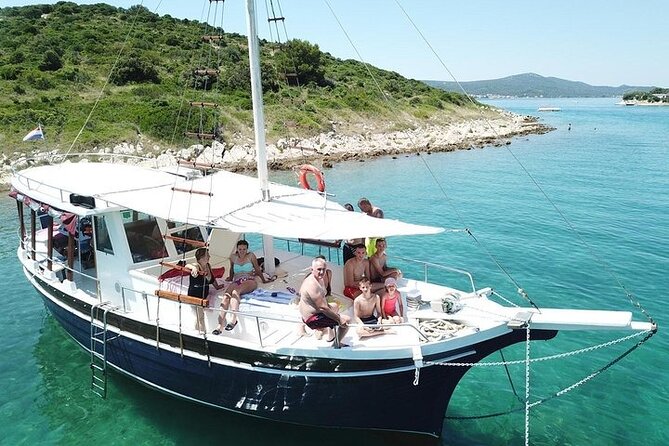
The activity accepts a maximum of 15 people. That is small enough to keep the presentation personal, though the actual group size can vary.
A small group is especially helpful here because the experience depends on seeing the hive and asking questions. With fewer people, you have a better chance to get close to the display and hear the explanation clearly.
The format also suits families and mixed-age groups. The humor keeps younger visitors involved, while the discussion of food supply, healthcare, and conservation gives adults plenty to think about. The experience has worked well for groups ranging from teenagers to older adults.
Still, do not expect a private tour unless your booking confirms one. A group of 15 can feel quite different from a visit with only a few people. If personal attention is important to you, book well ahead. The activity is commonly reserved about 36 days in advance.
Pickup from Rogač Port and the one-hour schedule
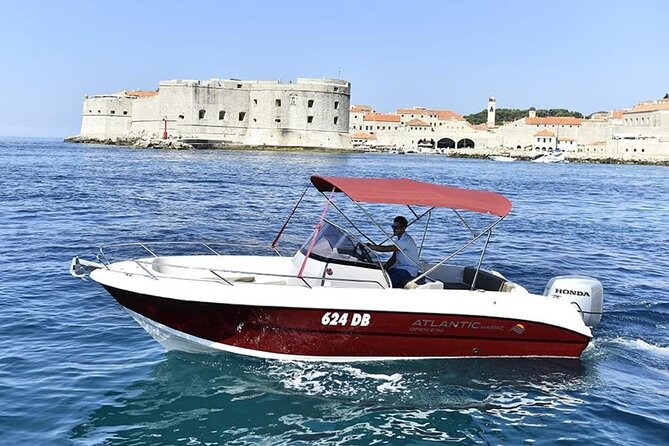
The stated meeting point is Rogač Port, at D112 32 in Rogač, Šolta. Pickup and return are offered from hotels and ports, and the activity ends back at the meeting point.
That transfer option adds real value if you arrive by ferry and do not want to sort out island transport for a short visit. Confirm the exact pickup details when you book, especially if you are staying away from Rogač or arriving at a different port.
At about one hour, the experience fits neatly into a larger day on Šolta. You could pair it with time in the village or another island activity, but allow enough time for your return transport. The presentation and tasting are compact, yet you do not want to rush the ferry connection.
The short duration is both a strength and a limit. I like it for a port day, a family itinerary, or a quick cultural stop. If you want to spend half a day learning about beekeeping, touring apiaries, or eating a full local meal, this is not that kind of excursion.
Is $30.04 a fair price?
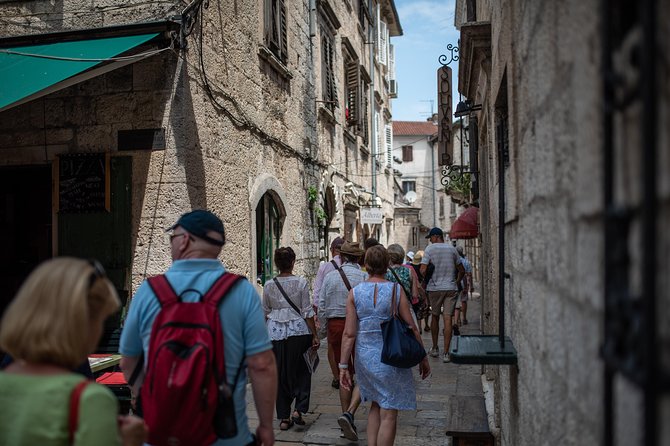
At $30.04 per person, the price is reasonable for a guided, small-group experience that includes a presentation, a live hive display, honey tasting, and possible hotel or port transfer.
The value is strongest when you use the pickup service. A short tour can become less attractive if you must spend extra time and money reaching a remote location, so included transport helps protect the value of the booking.
You are paying for access to a family-run activity, not simply a tasting spoon and a shop stop. Goran’s talk, the live hive, the worldwide collection, and the chance to ask questions make the visit more substantial than buying a jar of honey on its own.
The price does not include drinks, food, or lunch. Keep that in mind when planning your day. You may also want to buy honey or hive products afterward, so leave room in your budget if you enjoy the tasting.
Free cancellation is available if you cancel at least 24 hours before the start time. Cancellations made less than 24 hours ahead do not qualify for a refund, and late changes are not accepted.
Who will enjoy this most
I would choose this for families, food lovers, curious children, and anyone who prefers a personal local visit over a large sightseeing program. It also suits people who want a compact activity near the port.
The presentation works across a broad age range because it combines a visual hive display, tasting, useful facts, and humor. You do not need prior knowledge of bees.
It is also a good fit if you care about conservation but do not want a lecture. The discussion of modern threats to bees is built into the visit, and the guide connects the topic to food and daily life.
I would be more cautious if you dislike honey, pollen, or bee products, since tasting is a central part of the experience. I would also skip it if you want a long outdoor excursion, a full meal, or an extensive tour of Šolta.
Should you book Give Bees a Chance?
Book it if you want to understand the life of bees, taste a strong local product, and meet a family that has kept the craft alive across generations. The live hive and Goran’s funny, direct presentation give the hour a clear purpose.
The best version of this visit is to reserve ahead, use the port pickup, pay close attention to the rosemary honey, and leave time for the ferry connection. At $30.04, it offers good value for a short and distinctive island stop.
Skip it only if you need a full-day activity or have no interest in honey and bees. For most visitors spending time on Šolta, this is an easy way to support a local family tradition while learning why bees deserve more than a passing thought.
FAQ
Where does the experience start?
The stated meeting point is Rogač Port at D112 32, 21430 Rogač, Croatia. The activity ends back at the meeting point.
Is hotel or port pickup included?
Yes. Hotel and port pickup and drop-off are included. Confirm the exact location and timing when booking.
How long does the activity last?
The experience lasts approximately one hour.
What can I expect to see and taste?
You can see the internal workings of a real beehive without the danger of being stung, learn about bees and the challenges they face, and taste Solta honey. Propolis, pollen, royal jelly, and other honeys may also be part of the presentation.
How many people can join?
The activity has a maximum of 15 people.
Can I cancel for a full refund?
Yes, if you cancel at least 24 hours before the experience start time. Cancellations or changes made less than 24 hours before the start time are not accepted for a refund.
Just added around Dalmatia
- Plitvice Lakes Day Trip from Zadar and Biograd★ 3.5 · 3 reviews
- Private Horseback Riding and Family Time in Konavle Region★ 5.0 · 3 reviews
- Trial sailing tour with Lady Butterfly★ 5.0 · 3 reviews
- Horseback Riding Across River Ljuta with transport★ 5.0 · 3 reviews
- Guided River & Sea Kayaking with Snorkeling in Omiš★ 5.0 · 4 reviews
- E bike rental National park Mljet★ 4.5 · 4 reviews
- Makarska Riviera kayak tour.★ 5.0 · 4 reviews
- Sailboat tour to the islands★ 4.5 · 6 reviews